How to Choose the Right Autel Camera Drone for Work

Discover how to choose the right Autel camera drone for professional photography, inspections, thermal imaging, and industrial operations. Compare essential features, battery performance, and accessories to find equipment that meets your needs.
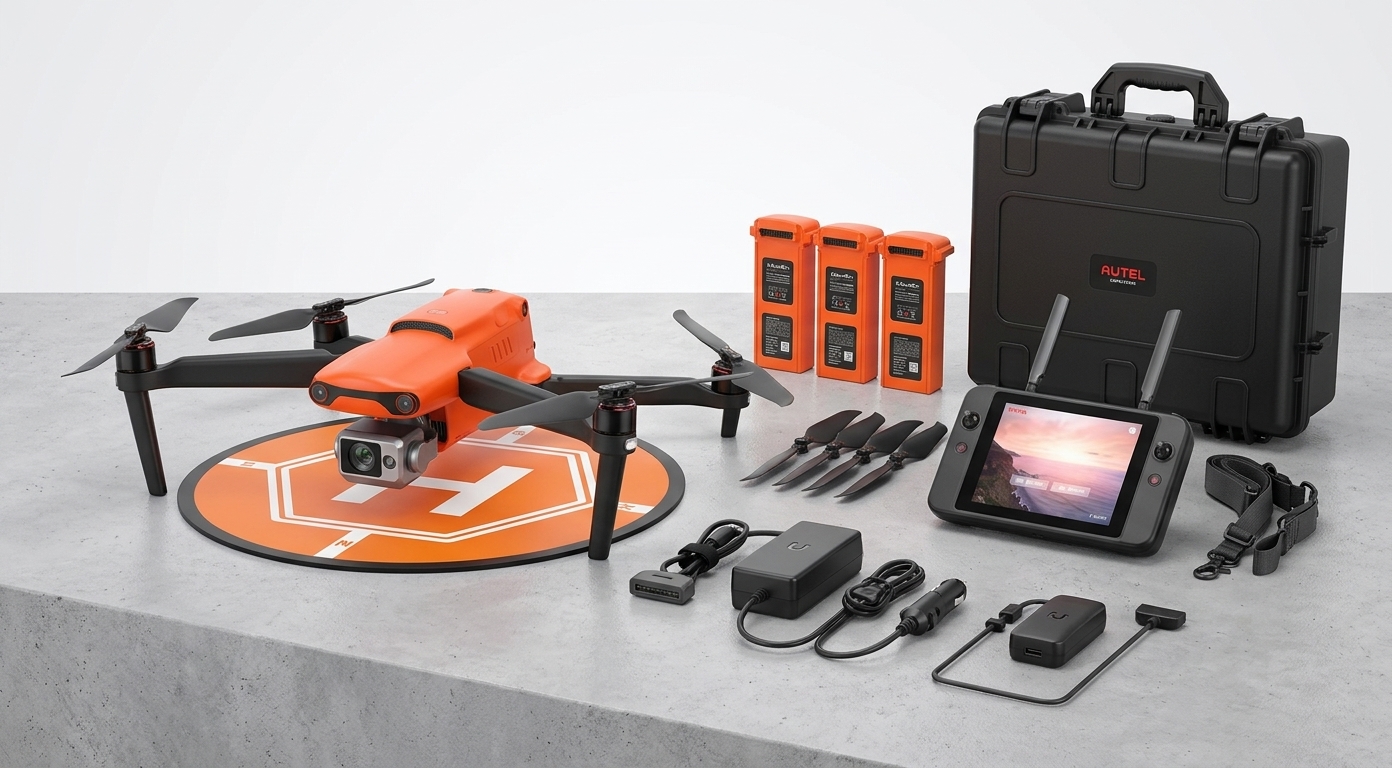
Choosing a professional drone can feel overwhelming when image quality, flight time, and safety matter. Additionally, advanced features can make the selection process even more challenging. Whether you capture aerial footage, inspect infrastructure, or support industrial operations, suitable equipment makes a difference. Fortunately, Autelpilot US offers drone solutions for various professional requirements. However, selecting the right equipment requires understanding your objectives, working conditions, and technical expectations.
Modern drones offer more than impressive aerial photography. They help professionals collect information, monitor challenging environments, and complete inspections efficiently. Nevertheless, choosing the wrong model can increase expenses and create operational difficulties. Therefore, understanding essential features helps you invest in equipment that supports your long-term goals.
Common Challenges When Choosing Professional Drones
Professional drone operators often encounter several challenges before purchasing equipment. Although different models offer impressive specifications, not every drone suits every application.
Some common difficulties include:
- Limited flight time: Short battery life interrupts operations and requires frequent returns.
- Poor image quality: Low-resolution cameras make detailed inspections and professional footage difficult.
- Restricted visibility: Standard cameras cannot always identify temperature differences or hidden heat sources.
- Compatibility issues: Incorrect accessories can reduce performance and operational convenience.
- Complex controls: Advanced features can overwhelm beginners without proper training.
These problems can affect productivity, especially during large projects and demanding operations. Therefore, understanding your requirements before purchasing becomes essential.
Why Do Drone Buyers Struggle to Find the Right Equipment?
Several factors make drone selection challenging. First, manufacturers design different models for specific applications. A drone suitable for landscape photography might lack essential industrial inspection features. Second, buyers sometimes focus entirely on camera resolution. Although image quality matters, other specifications also influence performance.
Battery capacity, obstacle avoidance, transmission range, and environmental conditions deserve equal attention. Additionally, professional operations sometimes require specialized equipment.
For example, inspection teams may need thermal sensors, while surveyors prioritize accurate positioning and mapping capabilities. Consequently, comparing specifications against actual working requirements helps prevent expensive purchasing mistakes.
Practical Ways to Choose the Right Drone
Before investing in professional equipment, consider several important factors.
Identify Your Primary Application
Start by determining how you intend to use your drone.
- Photography and videography: Prioritize camera resolution, sensor quality, and video capabilities.
- Infrastructure inspections: Consider zoom capabilities, stability, and reliable image transmission.
- Search and rescue: Evaluate thermal imaging, obstacle avoidance, and additional operational features.
- Surveying and mapping: Explore positioning accuracy, mission planning, and mapping compatibility.
- Industrial monitoring: Consider specialized sensors and longer operational capabilities.
This approach narrows your options and helps identify suitable equipment.
Compare Camera and Imaging Capabilities
Camera performance directly influences the information you collect. Professional aerial photography requires sharp images, accurate colours, and dependable video recording. Meanwhile, industrial applications sometimes require more than conventional imaging. Thermal sensors help operators identify temperature variations that ordinary cameras cannot reveal.
When comparing Autel Camera Drones, examine sensor specifications, resolution, zoom options, and imaging technologies. Furthermore, consider lighting conditions because they influence image quality.
Evaluate Battery Life and Flight Performance
Battery performance determines how efficiently you complete aerial operations. Longer flight times reduce interruptions, although weather, payload, and flying conditions affect actual performance.
Consider these essential factors:
- Battery capacity and compatibility.
- Charging time and available charging equipment.
- Replacement battery availability.
- Manufacturer-rated flight duration.
- Weather conditions and operational limitations.
Furthermore, carrying additional compatible batteries helps maintain productivity during extended assignments.
Consider Specialized Thermal Imaging Features
Some professional applications require temperature monitoring rather than conventional photography. For instance, construction inspections, electrical assessments, and search operations benefit from thermal imaging technology. Thermal Imaging Enterprise Drones combine specialized sensors with aerial mobility.
However, buyers should compare thermal resolution, measurement capabilities, sensor specifications, and software compatibility. Remember that thermal images require proper interpretation. Although they highlight temperature differences, they cannot automatically identify underlying causes.
Exploring Premium Drone Solutions
Once you understand your requirements, exploring professional drone collections becomes easier. Autelpilot US provides options across camera drones, enterprise drones, thermal imaging systems, and mapping equipment.
For example, different models address different operational needs:
- Autel EVO II Pro V3: Features a 1-inch CMOS sensor, 20MP photography, and 6K video capabilities.
- Autel EVO II Dual 640T V3: Combines thermal imaging with a visual camera for professional applications.
- Autel EVO Max 4T V2: Offers thermal imaging, optical zoom, and enterprise-oriented features.
- Autel EVO Lite 640T: Provides thermal imaging and AI recognition capabilities.
These options demonstrate why comparing individual specifications matters more than appearance or price. Therefore, assess each model against your operational requirements before purchasing.
Autel Drones Online Store – Autelpilot
Essential Drone Accessories and Batteries
Even a high-quality drone needs suitable supporting equipment. The right accessories improve convenience, protect essential components, and maintain consistent operations.
Consider investing in these useful items:
- Additional batteries: Extend operational flexibility during longer assignments.
- Multi-battery chargers: Simplify charging and equipment preparation.
- Replacement propellers: Help maintain flight readiness when propellers become damaged.
- Protective cases: Make transportation and equipment storage easier.
- Remote controllers: Support convenient operation and monitoring.
When purchasing Drone Accessories and Batteries, always verify model compatibility. Different drone series may require specific batteries, chargers, and replacement components. Additionally, inspect your equipment regularly. Check battery condition, propellers, connections, and firmware before every flight. These simple habits help reduce avoidable interruptions.
Benefits of Upgrading Your Drone Equipment
Upgrading professional equipment can improve your workflow when your existing setup no longer meets operational requirements.
Here are some important advantages:
- Better imaging capabilities: Advanced cameras capture clearer photographs and more detailed video footage.
- Improved inspection efficiency: Thermal imaging and optical zoom help operators examine difficult-to-reach areas.
- Greater operational flexibility: Additional batteries and compatible accessories support longer working sessions.
- Smarter data collection: Specialized features help professionals gather useful information across different environments.
- More reliable workflows: Suitable equipment reduces unnecessary interruptions and supports consistent project management.
However, advanced technology cannot replace proper training, maintenance, or responsible flight practices.
Conclusion: Make a Smarter Drone Investment
Choosing professional drone equipment requires careful consideration of camera quality, thermal imaging, battery performance, and accessory compatibility. Therefore, identify your primary applications before comparing different models. Explore Autel Camera Drones, evaluate enterprise capabilities, and consider the supporting equipment your operations require. Meanwhile, Autelpilot US provides a useful starting point for exploring available solutions. Ultimately, informed decisions help you build a drone setup that supports your professional goals and delivers lasting practical value.
Recent Blogs
-
How to Choose High-Performance Electric Scooters for Every Adventure
-
How to Choose Premium TV Lift Cabinets for Modern Homes
-
How to Choose Custom Gemstone Engagement Rings
-
How Electric Toilet Lifts Improve Bathroom Safety and Independence
-

How to Choose Premium Silicone Dolls for Better Quality, Realism, and Long-Term Value