Effective Brain Training Ideas for Stronger Daily Thinking

A healthy brain plays a big role in how we think, feel, and handle daily life.
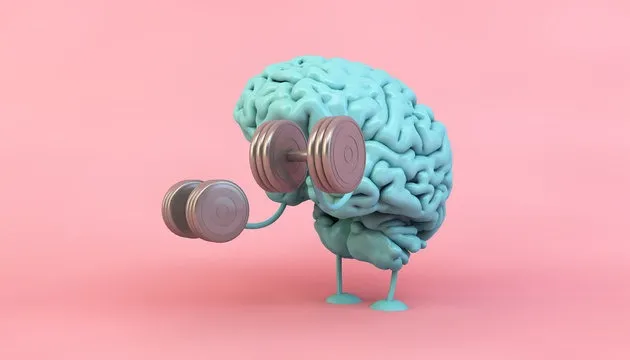
A healthy brain plays a big role in how we think, feel, and handle daily life. Strong mental focus helps with work, learning, and decision-making. Good brain health also supports emotional balance and clear thinking as we grow older. Today, many people look for simple ways to stay sharp without stress or complex routines. This is why guided mental training has become more popular. With the right tools, it is possible to build better focus, improve self-control, and strengthen thinking habits over time. Consistent mental practice can turn small daily efforts into long-term benefits for overall well-being. This is where Mendi offers a smart and modern approach to brain care. Designed to make mental training easy at home, it combines science with simple daily use, helping people build healthier thinking habits step by step. In this blog, we will explore how simple and guided brain training can help improve focus, memory, and overall mental performance in daily life.
Building Better Focus Through Daily Mental Habits
Mental focus affects almost everything we do each day. From managing work tasks to enjoying conversations, strong attention helps life feel more organized and less stressful. In a blog-style routine, it helps to break focus-building into simple, repeatable habits rather than long sessions.
Why daily focus habits matter
- They reduce mental clutter and constant distractions.
- They help the mind stay calm during busy schedules.
- They improve task completion and decision-making.
Simple ways to build better focus
- Practice short, guided brain exercises instead of long sessions.
- Train at the same time each day to build consistency.
- Start with just a few minutes and slowly increase.
With tools like those offered by Mendi, building focus becomes part of a natural routine rather than a forced task. When mental habits are simple and enjoyable, they are easier to maintain and deliver long-term benefits.
How Technology Supports Modern Brain Training
Technology has made mental care more interactive and easier to follow. Instead of guessing progress, modern tools show how the brain responds during training, making sessions more engaging.
How technology improves brain training
- Provides real-time feedback for better awareness.
- Makes sessions more interactive and motivating.
- Helps users understand what works best for them.
Benefits of guided digital systems
- Often paired with brain training apps for structured routines.
- Offer clear instructions without confusion.
- Allow personalized progress tracking over time.
With gentle guidance, users can learn how to control focus and remain calm under pressure. When used correctly, technology removes complexity and makes mental training accessible for beginners, busy professionals, and older adults alike.
Making Mental Workouts Enjoyable and Sustainable
Consistency is one of the biggest challenges in mental training. If a routine feels boring or stressful, it becomes easy to skip. Enjoyment plays a key role in making mental workouts stick.
Why enjoyment matters
- Fun sessions feel less like a task.
- Positive experiences encourage daily practice.
- Motivation stays strong over time.
What makes mental workouts engaging
- Formats inspired by brain training games.
- Visual feedback that shows small wins.
- Simple progress tracking for motivation.
These features support a balanced brain workout without pressure. Short, enjoyable sessions build habits that feel natural. Sustainable routines are not about pushing harder but about practicing regularly in ways that fit real life.
Mental Training for All Ages and Lifestyles
Mental fitness is important at every stage of life. Students, professionals, and older adults all benefit from keeping their minds active and flexible.
Who can benefit from mental training
- Students are improving their attention and learning skills.
- Adults managing work stress and multitasking.
- Older individuals maintain clarity and confidence.
Accessible ways to train
- Simple brain games for adults that support daily thinking.
- Exploring the best brain training apps for flexible routines.
- Training at your own pace without pressure.
Guided tools make it easier to train your brain without complex setups. When mental training feels inclusive, supportive, and easy to access, it becomes a healthy habit that fits any lifestyle.
A Smarter Way to Train Your Mind at Home
The Mendi Headset offers a simple and science-based way to improve mental strength from home. It uses advanced fNIRS technology to measure blood flow and oxygen levels in the prefrontal cortex, the area responsible for focus, decisions, and emotional control. Real-time feedback helps users understand how their brains respond during training sessions. This device connects easily through Bluetooth and works with iOS and Android. It is lightweight, comfortable, and designed to fit all users. With one full charge supporting up to 60 sessions, it is made for regular use without hassle. The included app provides guided sessions that feel like memory exercises, helping users stay engaged and motivated.

Wearable brain training headset with real-time focus feedback | buy now for $279.20.
Unique Features
- Uses fNIRS technology for real-time brain activity feedback.
- Targets focus, decision-making, and emotional balance.
- One-size-fits-all design with lightweight comfort.
- Rechargeable battery lasting up to 60 sessions per charge.
- Suitable for users aged five and above.
To conclude, mental health and focus are essential for living a balanced and productive life. With simple routines and the right tools, anyone can improve clarity, emotional control, and confidence over time. Modern mental training removes the guesswork by offering guided feedback and easy-to-follow sessions that fit daily life. Instead of complex routines, short and consistent practice builds lasting habits. Choosing smart solutions helps turn mental care into a positive daily experience rather than a task. With science-backed design and user-friendly technology, Mendi makes it easier to support brain health at home. By staying consistent and patient, small daily efforts can lead to meaningful improvements in how we think, feel, and perform every day.
Recent Blogs
-

How to Make Your LEGO Builds Stand Out with Better Lighting
-
How to Choose Reliable Electronics and Computer Accessories for Everyday Use
-

How to Choose Quality Kumadoll Products for a Better Shopping Experience
-

How to Choose Laser Hair Growth Devices for Effective Hair Regrowth
-

How to Stay Powered Anywhere: Choosing Reliable Portable Energy and Rugged Devices