How an Automotive Diagnostic Scanner Can Save You Time and Money

That little warning light on your dashboard can create a surprisingly big headache.
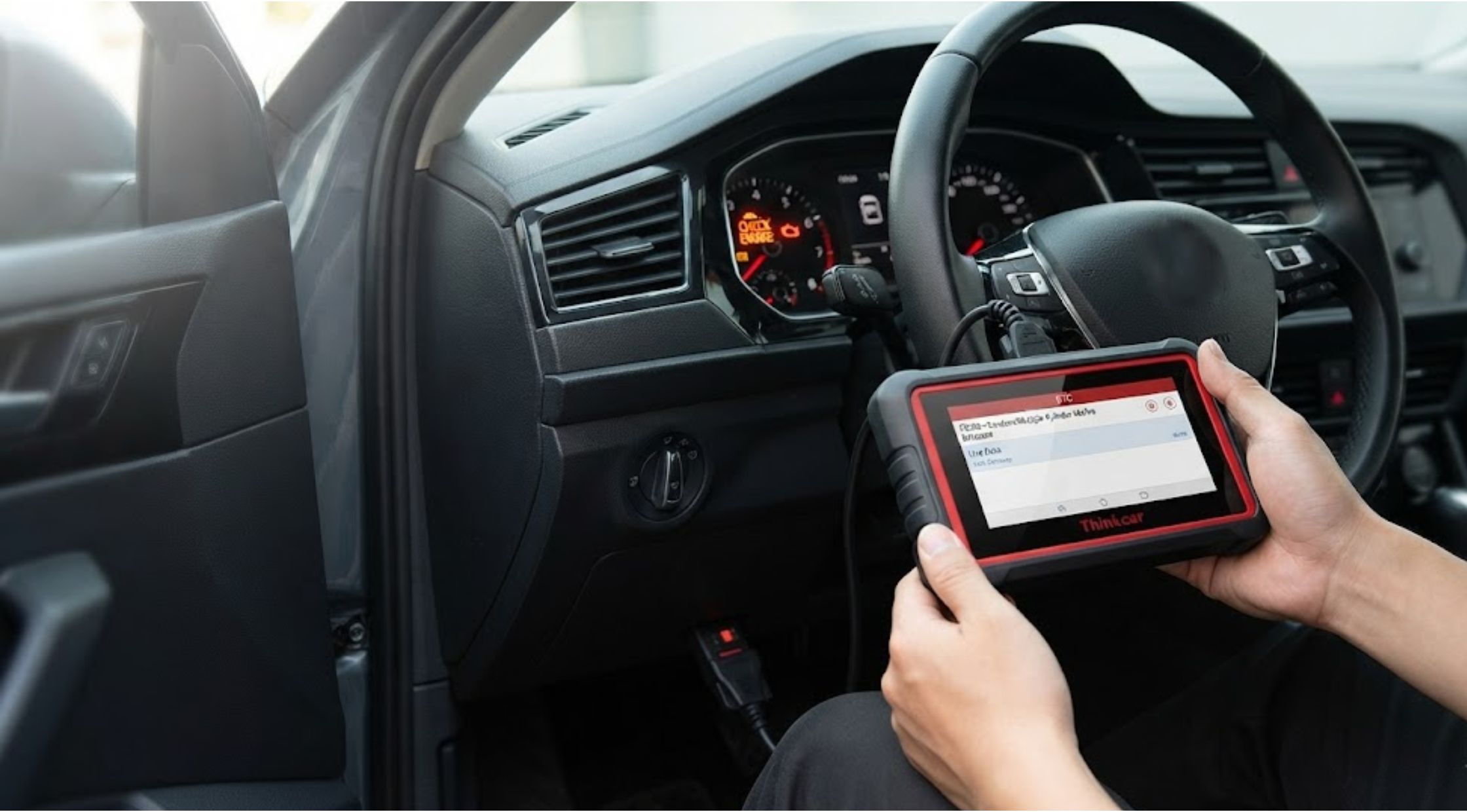
That little warning light on your dashboard can create a surprisingly big headache. Is it something minor, or does it signal an expensive repair? Taking the car straight to a mechanic every time can quickly become costly, while ignoring the problem can make things worse.
This is where an automotive diagnostic scanner can make vehicle troubleshooting much easier. Instead of guessing what is happening under the hood, you can access useful diagnostic information and make a more informed decision about what to do next.
Common Car Diagnostic Problems Drivers Face
Modern vehicles rely on dozens of electronic systems and sensors. When something goes wrong, the vehicle's onboard computer can often record a diagnostic trouble code (DTC).
The problem is that a dashboard warning light rarely tells you exactly what has failed.
Common frustrations include:
- Seeing the check engine light without knowing why
- Paying a diagnostic fee before getting basic information
- Replacing parts based on guesswork
- Struggling to understand unfamiliar fault codes
- Spending unnecessary time visiting repair shops
- Discovering that a warning light returns after a repair
For DIY vehicle owners, having access to diagnostic information can make the troubleshooting process much more straightforward.
Why Warning Lights Can Be Difficult to Diagnose
A warning light is essentially an alert, not a complete explanation.
For example, a check engine light may be connected to anything from an emissions-related issue to a sensor problem. The stored diagnostic code can provide a much better starting point, but interpreting that information still requires some understanding.
This is why choosing the right automotive diagnostic scanner matters.
Basic code readers may only display generic fault codes. More advanced scanners can provide broader system coverage, live data, diagnostic tests, and other functions depending on the vehicle and scanner model.
The goal isn't necessarily to replace a professional mechanic. Instead, it is about getting better information before deciding what needs to happen next.
How to Use an Automotive Diagnostic Scanner Effectively
You don't need to be a professional technician to make useful observations with a suitable scanner. However, it helps to follow a sensible process.
1. Start With the Warning Light
Before connecting anything, note which warning lights are illuminated. Pay attention to whether the vehicle is experiencing other symptoms, such as rough idling, poor acceleration, unusual noises, or reduced fuel economy.
2. Connect the Scanner Correctly
Most modern vehicles use an OBD-II diagnostic port. Depending on the vehicle, this is commonly located underneath the dashboard near the driver's area.
Follow the scanner manufacturer's instructions and make sure the ignition and connection requirements are correct.
3. Read and Record the Codes
Once connected, scan for stored or pending diagnostic trouble codes. Write them down rather than immediately clearing them.
Clearing a code does not necessarily fix the underlying problem.
4. Research Before Replacing Parts
A diagnostic code is a clue, not always a direct instruction to replace a particular component.
Use the code alongside the vehicle's symptoms and service information to narrow down the possibilities.
5. Seek Professional Help When Necessary
If the issue involves complicated electrical systems, braking, steering, airbags, or other safety-critical components, professional diagnosis is often the smarter choice.
Choosing the Right Diagnostic Tool
Not every driver needs the same level of diagnostic equipment.
A basic reader may be enough if you simply want to check why the check-engine light is on. However, someone who performs regular maintenance or works on multiple vehicles may benefit from a more capable device.
When comparing an automotive diagnostic scanner, consider:
- Vehicle compatibility
- Number of supported diagnostic systems
- Live-data capabilities
- Diagnostic functions
- Software update options
- Screen size and usability
- Ease of interpreting information
- Manufacturer support
The right scanner should match your actual needs rather than simply having the longest list of features.
Why Thinkcar Is Worth Considering
For drivers and technicians who want more than a basic code reader, Thinkcar offers diagnostic equipment designed around a wider range of automotive troubleshooting needs.
A Thinkcar scanner can be a practical upgrade for users who want more diagnostic information and functionality than a simple entry-level reader provides. Depending on the model, capabilities can vary considerably, so it is important to compare individual specifications rather than assuming every device offers the same features.
Thinkcar also provides different levels of diagnostic equipment, making it easier to choose a tool based on whether you're a casual DIY owner, enthusiast, or professional.
For someone who regularly works on vehicles, investing in a capable Thinkcar scanner can potentially make diagnosis more efficient by putting more information directly in your hands.
Benefits of Upgrading Your Diagnostic Setup
A better diagnostic tool can change the way you approach vehicle problems.
Save Time
Instead of starting with guesswork, you can begin troubleshooting with diagnostic information already available.
Make Better Repair Decisions
Understanding the available codes and data can help you determine whether an issue deserves immediate attention or further investigation.
Reduce Unnecessary Part Replacements
Replacing components based solely on symptoms can become expensive. Diagnostic information provides another layer of evidence before spending money on parts.
Become More Self-Sufficient
For people who enjoy maintaining their own vehicles, having an automotive diagnostic scanner can make routine troubleshooting less dependent on outside assistance.
Improve Communication With Your Mechanic
Even when professional repair is necessary, knowing the codes and symptoms can help you have a more informed conversation with your mechanic.
Don't Let a Dashboard Light Become a Guessing Game
A warning light doesn't automatically mean your vehicle needs an expensive repair, but it shouldn't be ignored either. The smartest approach is to gather useful information, understand what the vehicle is reporting, and then decide on the appropriate next step.
For occasional checks, a basic scanner may be perfectly adequate. For enthusiasts, serious DIY owners, and professionals, a more advanced solution such as a Thinkcar scanner can offer a broader diagnostic toolkit.
Before purchasing, compare compatibility and features carefully. The best automotive diagnostic scanner isn't necessarily the most expensive one it's the one that provides the capabilities you actually need.
A little diagnostic knowledge can go a long way toward making car maintenance less stressful, more informed, and potentially more affordable.
Recent Blogs
-

How to Make Your LEGO Builds Stand Out with Better Lighting
-
How to Choose Reliable Electronics and Computer Accessories for Everyday Use
-

How to Choose Quality Kumadoll Products for a Better Shopping Experience
-

How to Choose Laser Hair Growth Devices for Effective Hair Regrowth
-

How to Stay Powered Anywhere: Choosing Reliable Portable Energy and Rugged Devices