How to Choose a Laser Engraver for Precise, Professional Results

Discover how to choose a LaserPecker laser engraver, improve engraving precision, select compatible materials, and achieve consistent results with practical techniques.
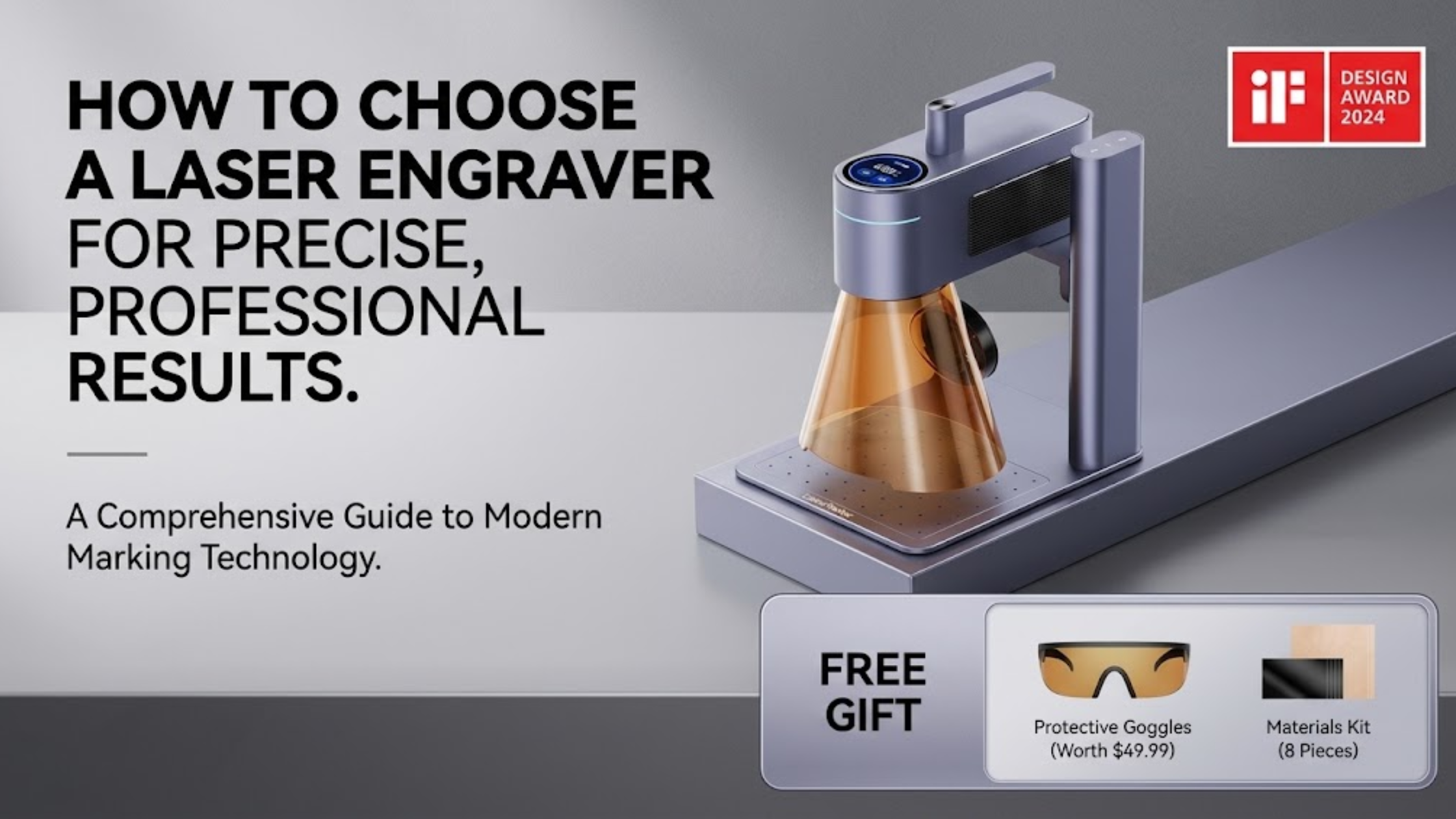
Finding the right laser engraver can feel challenging when projects require precision. Beginners often struggle with uneven engraving, unclear designs, and inconsistent results. Meanwhile, experienced creators may need faster workflows and greater material flexibility. Consequently, these issues can waste materials, increase production time, and reduce customer satisfaction. Fortunately, suitable equipment and essential techniques can simplify the engraving process. A reliable LaserPecker Laser Engraver helps creators achieve greater control and convenience. However, successful engraving requires understanding your needs, materials, and working environment. Therefore, this guide explains practical ways to improve results and choose equipment confidently.
Common Laser Engraving Problems That Affect Your Results
Laser engraving supports personalized gifts, branded products, crafts, and small-business production. However, several challenges can prevent users from achieving their desired results.
Uneven Engraving and Inconsistent Designs
Uneven engraving often occurs when users choose unsuitable settings or position materials incorrectly. Moreover, excessive laser power can burn surfaces, while insufficient power creates faint marks. Incorrect focus can also reduce engraving detail and clarity. These issues become more noticeable when engraving logos, small lettering, or intricate patterns. Therefore, users should test their settings before starting valuable projects.
Limited Material Compatibility
Different materials respond differently to laser energy. For example, wood, coated metals, leather, acrylic, and other surfaces require suitable engraving methods. Additionally, some materials need specialized equipment or specific laser wavelengths. Therefore, choosing an incompatible machine can limit your future projects. Always verify material compatibility before purchasing equipment. This ensures your laser machine processes intended materials safely and effectively.
Slow Production and Repetitive Manual Work
Small businesses often need to personalize multiple items within tight deadlines. However, repeated adjustments, manual positioning, and inconsistent settings can slow production. As orders increase, these challenges can become even more frustrating. Therefore, a suitable engraving setup can simplify preparation and improve workflow consistency. However, actual speed depends on the design, material, settings, and machine capabilities.
Why Laser Engraving Results Sometimes Fall Short
Understanding these causes helps you avoid unnecessary mistakes and expenses. Moreover, most engraving problems stem from equipment limitations, improper preparation, or unsuitable operating settings.
Incorrect Focus and Power Settings
Laser engraving requires the correct distance between the laser and the material. However, incorrect focusing spreads energy across a larger area and reduces detail. Additionally, excessive power or slow movement can cause unwanted burns. Therefore, start with manufacturer-recommended settings and test them on scrap material. Then, adjust one variable at a time to identify the best combination.
Poor Design Preparation
Low-resolution images and complex graphics can produce disappointing engraving results. Additionally, tiny lettering, excessive details, and unsuitable file formats can reduce engraving quality. Therefore, prepare your artwork carefully before sending it to your machine. For suitable logos and line-based designs, use clean vector graphics. Meanwhile, process photographs with appropriate image settings and resolution.
Choosing Equipment Without Considering Your Needs
A machine designed for occasional crafts may not meet regular commercial production needs. Similarly, advanced equipment may exceed the requirements of someone engraving simple gifts. Therefore, consider your typical materials, design complexity, workspace, and expected production volume. This approach helps you choose practical features while avoiding unnecessary costs.
Practical Ways to Improve Laser Engraving Quality
You can improve engraving results without replacing your equipment immediately. Moreover, consistent preparation and careful testing often deliver noticeably better results.
Test Materials Before Engraving Final Products
First, create a small test grid using different power and speed combinations. Then, examine each sample for clarity, depth, contrast, and surface damage. Finally, record successful settings for future projects. However, remember that identical settings may produce different results across materials. Additionally, variations in coatings, thickness, and surface finish can affect engraving quality.
Secure Materials and Maintain Proper Focus
First, place your workpiece on a stable, level surface. Next, secure lightweight materials to prevent movement during engraving. Additionally, follow the machine’s focusing instructions before starting each project. Meanwhile, clean the work area and inspect the equipment regularly. Proper maintenance reduces interruptions and ensures consistent performance.
Prioritize Safety and Ventilation
Laser engraving can produce smoke, particles, and potentially hazardous fumes. Therefore, identify each material before processing it, as different materials create different risks. Never engrave unknown plastics or materials without confirming their safety. Additionally, use proper ventilation, protective equipment, and machine enclosures. Always follow the manufacturer's safety instructions, and never leave an operating laser unattended.
How a LaserPecker Laser Engraver Can Simplify Your Workflow
After identifying your needs, choose equipment that matches your projects and production goals. The LaserPecker range offers engraving options for creative and practical applications. However, each model differs in laser technology, capabilities, supported materials, and working areas. Before purchasing, compare specifications instead of relying on appearance or marketing claims. First, check the laser type, compatible materials, engraving area, software support, and focusing method. Additionally, consider how easily the equipment fits your existing workflow. A compact design suits limited workspaces, while larger projects may require more working space. Meanwhile, specialized applications may demand specific capabilities.
Choose Features That Solve Your Specific Problems
The right LaserPecker Laser Engraver should solve your main production challenges. For example, prioritize precise positioning and easy setup when personalizing small gifts. Additionally, check resolution, focusing, and compatible design software for detailed artwork. For metal marking, verify which metal types and finishes the selected model supports. Some metals require specific laser technologies or surface treatments. Similarly, confirm acrylic compatibility because different formulations respond differently to laser processing. Finally, review the available accessories and software before choosing your engraver. These features can improve usability, reduce setup time, and increase long-term value.
Benefits of Investing in Suitable Laser Engraving Equipment
Upgrading your equipment can improve finished product quality and appearance. Additionally, the right setup simplifies daily tasks and supports business growth.
Better Consistency Across Projects
Reliable focusing, suitable settings, and repeatable positioning help operators reduce avoidable mistakes. Moreover, these improvements support consistent results when producing personalized gifts or branded merchandise. Consequently, businesses can maintain quality and strengthen customer confidence. However, equipment alone cannot guarantee professional results. Therefore, operators must prepare materials, refine designs, develop skills, and maintain equipment regularly.
Greater Creative Flexibility
Suitable equipment helps creators explore new designs and product categories. For example, compatible models support customized accessories, decorative items, labels, and promotional products. However, always verify material compatibility and safety requirements before testing unfamiliar materials. This precaution prevents costly mistakes and protects your equipment from potential damage.
More Efficient Production Planning
A well-matched machine can simplify setup and support repeatable workflows. Additionally, saved settings, prepared artwork, and organized materials can improve efficiency. These practices also help users spend less time troubleshooting. For small businesses, better workflow management can simplify order planning. However, actual productivity gains depend on project complexity and production volume.
Find the Right Laser Engraving Solution for Your Goals
Choosing an engraving machine becomes easier when you understand your needs and priorities. First, identify your materials, desired designs, workspace, and production requirements. Then, compare equipment specifications, safety features, software compatibility, and ongoing costs. Additionally, LaserPecker Laser Engraving Tools offer options for different setups and engraving needs. Explore available models and confirm their capabilities before making a purchase. With the right choice, a LaserPecker Engraving Machine can improve workflows and expand creative opportunities. Ultimately, balance performance, usability, safety, and budget when selecting your machine. Next, test materials, refine settings, and maintain consistent working practices. With careful planning, you can achieve better engraving results and build confidence in every project.
Recent Blogs
-

How to Choose Premium Silicone Dolls for Better Quality, Realism, and Long-Term Value
-

How to Make Your LEGO Builds Stand Out with Better Lighting
-
How to Choose Reliable Electronics and Computer Accessories for Everyday Use
-

How to Choose Quality Kumadoll Products for a Better Shopping Experience
-
How to Choose Laser Hair Growth Devices for Effective Hair Regrowth