How to Choose a Propane Stove, RV Water Heater & Camplux Water Heater

From a weekend at a campground to traveling in an RV or taking a long trip away from home, having the right gear can make it much easier to enjoy your outdoor activities.
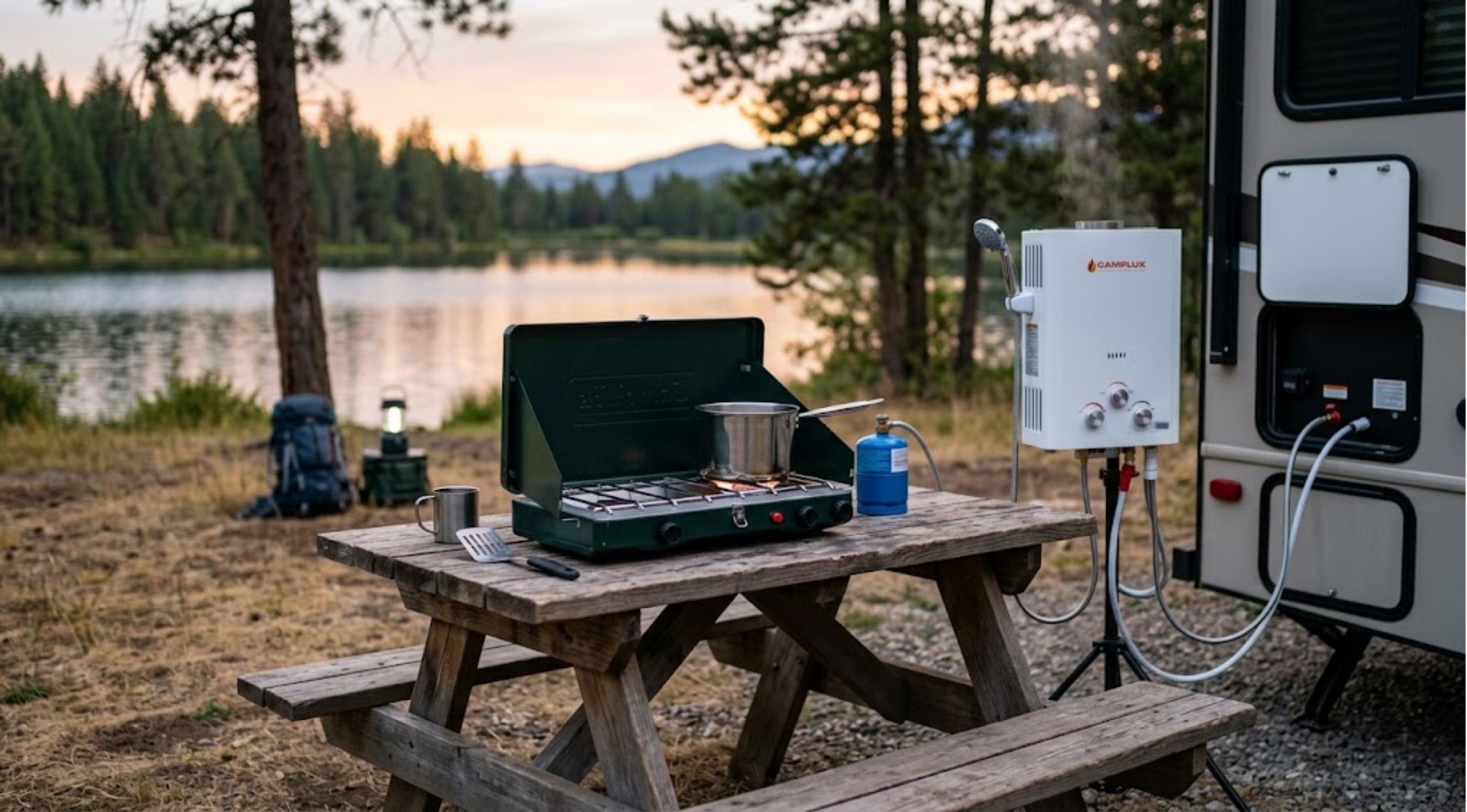
From a weekend at a campground to traveling in an RV or taking a long trip away from home, having the right gear can make it much easier to enjoy your outdoor activities.
When researching a propane stove, considering an RV water heater, or comparing Camplux water heaters, it is important to understand the differences between these products to select the equipment that best fits your requirements.
Selecting a Propane Stove
A propane stove can be used for cooking on camping trips, in an RV, outside a traditional kitchen, or for any other suitable outdoor use. Propane serves as a convenient portable fuel source when electricity is unavailable.
Key Selection Factors
When selecting a stove, take the following into account:
- Number of burners
- Cooking power
- Size and weight
- Fuel requirements
- Ignition system
- Wind protection
- Portability
- Ease of cleaning
Consider how many people you will normally cook for. A small single-burner stove may suffice for one or two people, but larger groups will benefit from multiple burners.
Safety Note: Always use propane cooking equipment outdoors or in well-ventilated areas specified by the manufacturer. Never use a propane stove inside a tent, vehicle, or enclosed space unless it is explicitly designed and safety-certified for indoor or tent use.
Fire Safety & Propane Stove Operation
Always operate propane equipment safely by following these steps:
- Setup: Place the stove on a stable, level, non-combustible surface away from flammable materials.
- Inspection: Inspect the propane connection and hose prior to use for signs of wear or damage. Follow the manufacturer's guidelines when connecting the fuel supply.
- Lighting: Light the stove according to the manufacturer's instructions. Never leave a lit stove unattended.
- Shutdown: Once cooking is complete, turn off the burners and shut off the fuel supply as directed.
- Storage: Allow the equipment to cool completely before packing, storing, or transporting it.
Selecting an RV Water Heater
An RV water heater adds significant convenience to road trips by providing hot water for washing dishes, showering, and daily hygiene.
Factors to Compare
When evaluating RV water heaters, keep the following in mind:
- Fuel type (Gas, Electric, or Dual-Fuel)
- System design (Tank vs. Tankless)
- Water flow requirements
- Physical dimensions
- Energy consumption
- Installation requirements
- Temperature controls
- Maintenance needs
A traditional tank system stores and heats a set volume of water, whereas a tankless system heats water continuously on demand. Consider your existing RV plumbing, electrical capacity, and fuel sources when choosing a model.
Choosing a Camplux Water Heater
If you need a water heater for camping, RVing, or outdoor chores, Camplux offers a range of portable options.
- Determine the Primary Use: Decide whether the unit will mainly be used for outdoor RV showers, camp washing stations, or general utility tasks.
- Review Key Specifications: Check the water flow rate, heating capacity, fuel compatibility, physical size, installation needs, and built-in safety features.
- Verify Compatibility: Camplux manufactures several distinct models; double-check individual product specifications rather than assuming all units share the same setup requirements.
How to Install an RV Water Heater
Installation procedures vary significantly depending on the model and vehicle layout.
- Read Instructions First: Review the complete installation guide to ensure the unit fits your RV's plumbing, frame opening, and fuel lines.
- Select the Location: Ensure the installation site provides adequate structural support, clearance, and ventilation.
- Connect Utilities: Install water lines, fuel connections, and electrical wiring strictly as specified by the manufacturer.
- Professional Assistance: Gas and electrical connections carry inherent risks. If you are not qualified to perform this work, hire a certified technician.
- System Testing: Once installed, check all fittings for leaks and test system operation according to the manual. Never operate a fuel-fired water heater without proper ventilation.
RV Water Heater Maintenance Checklist
To extend the lifespan and reliability of your water heater, practice regular maintenance:
- Inspect Connections: Routinely check hoses, fittings, and gas connections for leaks, cracks, or damage.
- Descaling: Clean and descale the heating elements or heat exchangers regularly using approved methods.
- Filter Replacement: Replace inline water filters and intake screens according to the recommended service schedule.
- Clear Ventilation: Keep the surrounding enclosure and exterior exhaust vents clear of clutter, dust, and debris.
- Troubleshooting: If the unit produces unusual noises, delivers inconsistent heating, or emits strange odors, turn it off immediately and consult the manufacturer's troubleshooting guide.
Fuel Conservation Tips for Camping
Optimizing your equipment usage helps conserve fuel during longer trips off the grid:
- Cooking Efficiency: Prepare all ingredients before lighting the stove, and turn off burners immediately after use.
- Water Usage: Turn off hot water taps while soaping up or scrubbing dishes rather than letting the water run continuously.
- Thermostat Adjustment: Set your water heater to a comfortable temperature rather than maximum heat to prevent unnecessary fuel consumption.
- Preventative Care: Well-maintained stoves and heaters operate at peak efficiency, using less fuel over time.
Equipment Storage & Transport Guidelines
Proper storage protects your investment and ensures safe operation for future trips:
- Propane Cylinders: Store propane tanks upright in well-ventilated areas, away from direct sunlight, extreme heat, and ignition sources, in compliance with local regulations.
- Cooking Gear: Clean and dry all cooking surfaces thoroughly before packing them away.
- Winterization: Drain and winterize water heaters according to the manufacturer's directions to prevent freeze damage during cold weather.
- Pre-Trip Check: Inspect all equipment at home before heading out to ensure everything functions properly before arriving at your campsite.
Final Thoughts
Selecting the right outdoor equipment depends on your trip type, available space, fuel sources, and specific comfort needs. A reliable propane stove simplifies outdoor cooking, while an RV or portable Camplux water heater provides the comfort of hot water anywhere you travel. Following manufacturer guidelines for setup, safety, and routine maintenance will keep your gear operating efficiently for years to come.
Recent Blogs
-

How to Make Your LEGO Builds Stand Out with Better Lighting
-
How to Choose Reliable Electronics and Computer Accessories for Everyday Use
-

How to Choose Quality Kumadoll Products for a Better Shopping Experience
-

How to Choose Laser Hair Growth Devices for Effective Hair Regrowth
-
How to Stay Powered Anywhere: Choosing Reliable Portable Energy and Rugged Devices