How to Choose an Air Purifier With Washable Filter & Airdog

Improving indoor air quality requires a layered strategy: capturing airborne particulates, eliminating odors at their source, and utilizing proper purification technology.
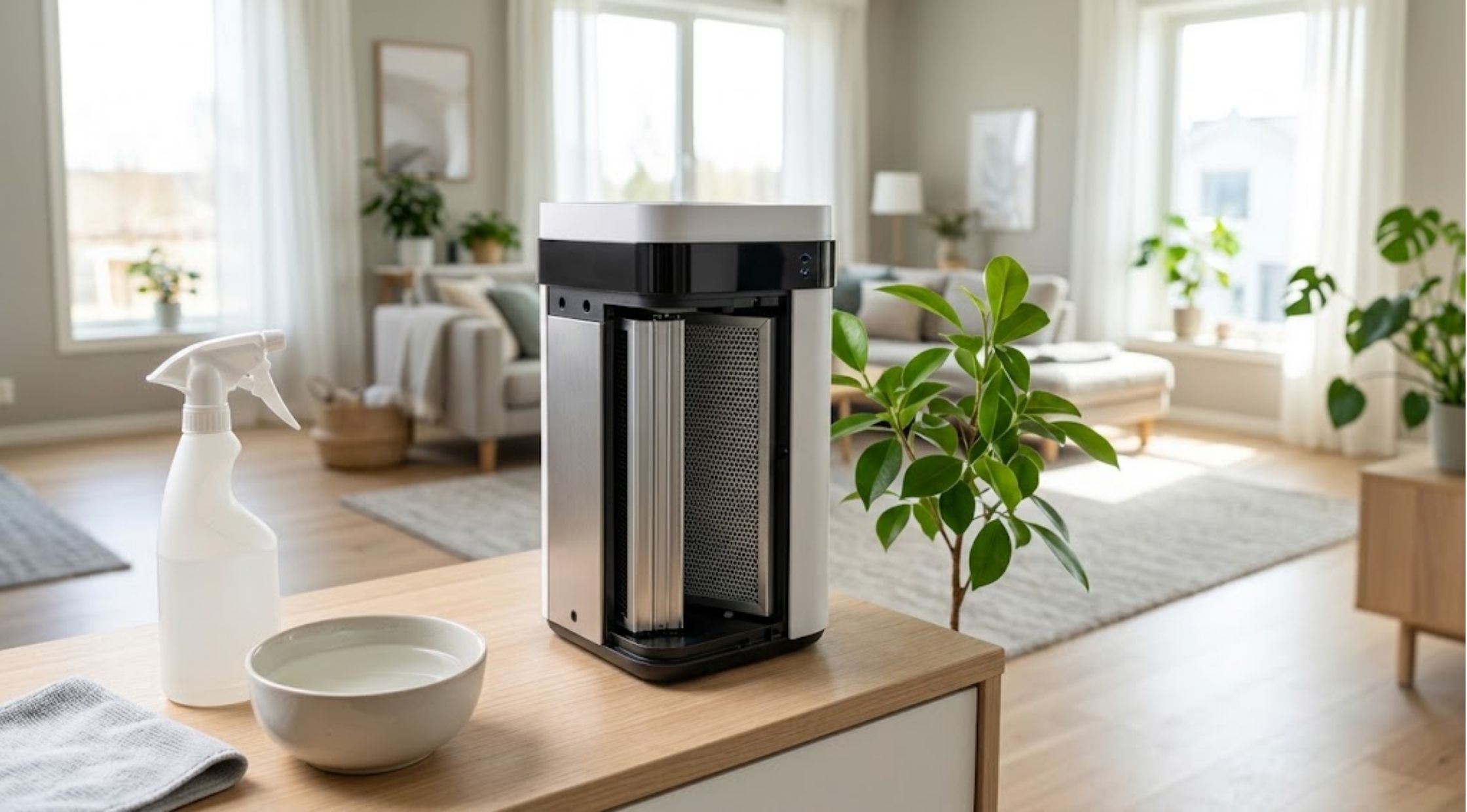
Improving indoor air quality requires a layered strategy: capturing airborne particulates, eliminating odors at their source, and utilizing proper purification technology. Understanding how washable filter systems operate—especially proprietary platforms like Airdog—alongside natural household remedies like white vinegar, ensures long-term performance and lower maintenance costs.
1. Washable Filter Air Purifiers: Selection & Care
Airdog Air purifiers with washable filters eliminate the recurring cost of replacing HEPA filters. Instead of trapping particles in disposable fiberglass beds, these units use washable collecting components.
Key Considerations Before Buying
- Component Verification: Verify which specific elements are washable. Typically, mesh pre-filters and metal collecting plates can be washed with water, while certain carbon or catalytic final stages must be sun-dried rather than submerged.
- Drying Time & Maintenance: Reinstalling a damp filter can cause electrical shorts or mold growth. Components must dry completely (24–48 hours) before operation.
- Room Sizing (CADR): Ensure the Clean Air Delivery Rate matches your room size to achieve 2 to 4 complete air changes per hour (ACH).
2. What Is an Airdog Air Purifier?
Airdog purifiers utilize patented TPA® (Two-Pole Active) Technology. Rather than forcing air through dense HEPA paper (which clogs and drops airflow), TPA generates a high-voltage ionic field to zapp and trap particles as small as 0.0146 microns onto metal collecting plates.
Popular Airdog Model Comparison
|
Model |
Recommended Room Size |
Clean Air Delivery Rate (CADR) |
Primary Use Case |
|
Airdog X3 |
Up to 215 sq. ft. (860 sq. ft. max) |
~120 CFM (200 m³/h) |
Bedrooms, home offices, nurseries |
|
Airdog X5 |
Up to 400 sq. ft. (1,600 sq. ft. max) |
~210 CFM (350 m³/h) |
Medium-to-large living rooms, open plans |
|
Airdog X8 |
Up to 1,000–1,500 sq. ft. |
~470–500 CFM (850 m³/h) |
Extra-large spaces, commercial offices, open homes |
3. Natural Odor Removal: White Vinegar Solutions
While air purifiers collect airborne particles and VOCs, neutralizing odors at the surface level requires target treatment. White vinegar contains acetic acid, which chemically neutralizes alkaline odor compounds (such as ammonia from pets or stale cooking smells).
Safe Usage Protocol
- Surface Cleaning: Mix a 1:1 ratio of distilled white vinegar and water in a spray bottle to wipe non-porous countertops, glass, and tile surfaces.
- Ambient Odor Absorption: Place small bowls of undiluted white vinegar in enclosed spaces (kitchens, basements) for 12–24 hours to neutralize airborne room odors.
- Fabric Deodorizing: Lightly mist cloth furniture or carpets, allowing the vinegar scent to dissipate as it dries, taking trapped odors with it.
Chemical Safety Warning: Never combine white vinegar with chlorine bleach or hydrogen peroxide. Mixing vinegar with bleach produces toxic chlorine gas.
4. Multi-Step Household Odor Control Strategy
For persistent home odors, relying solely on an air purifier or cleaning product is ineffective. Combine source removal, ventilation, surface treatment, and air filtration.
- Source Removal: Locate and eliminate the root cause (e.g., empty compost bins, repair plumbing leaks, or wash pet bedding).
- Ventilation: Open windows on opposite sides of the room or engage exhaust fans to purge stale indoor air.
- Surface Treatment: Apply white vinegar spray to hard surfaces or sprinkle baking soda on soft rugs prior to vacuuming.
- Air Purification: Run your washable or TPA air purifier continuously on auto-mode to capture fine airborne particles, pet dander, and residual smells.
5. Maintenance Checklist for TPA & Washable Purifiers
- Pre-Filter Washing: Rinse the coarse mesh pre-filter under warm water every 2–4 weeks to clear pet hair and large dust fibers.
- Collecting Plate Cleaning: Soak the metal collecting plates in mild detergent or place them in a dishwasher cycle every 1–2 months.
- Drying Cycle: Air-dry metal plates completely for at least 24 hours prior to reinserting them into the chassis to avoid unit short-circuits.
- Odor Catalyst Regeneration: Place the final catalytic/carbon filter module in direct sunlight for 1 to 2 hours every few months to reactivate its binding sites.
Final Thoughts
Combining source elimination, natural acetic-acid deodorizing, and an efficient washable air purification system creates a sustainable indoor air setup. By verifying your room square-footage and adhering to proper filter drying times, you ensure optimal air turnover without recurring filter replacement expenses.
Recent Blogs
-

How to Make Your LEGO Builds Stand Out with Better Lighting
-

How to Choose Reliable Electronics and Computer Accessories for Everyday Use
-

How to Choose Quality Kumadoll Products for a Better Shopping Experience
-

How to Choose Laser Hair Growth Devices for Effective Hair Regrowth
-

How to Stay Powered Anywhere: Choosing Reliable Portable Energy and Rugged Devices