How to Choose and Maintain the Right Lithium Battery

Vehicles, backup systems, portable equipment and many other applications require reliable battery power.
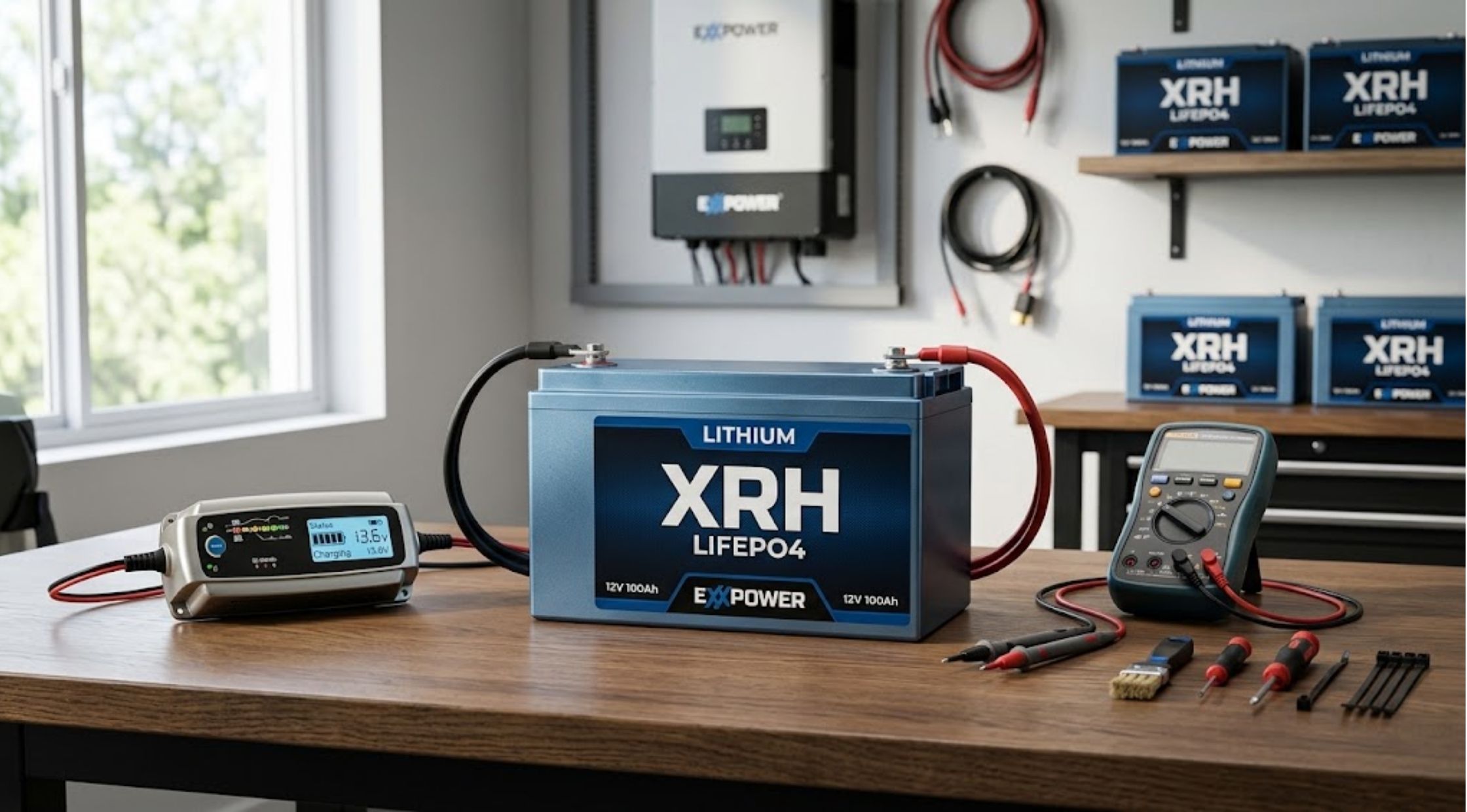
Vehicles, backup systems, portable equipment and many other applications require reliable battery power. There are more than number of batteries. These must be taken into account: voltage, chemistry, charging needs, compatibility and purpose. ExxPower offers a range of battery products for various power applications, so it's important to understand the fundamentals prior to choosing a battery that is appropriate.
Understanding an XRH Lithium Battery
When looking up an xrh lithium battery, the first thing you should check is exactly what the particular battery is meant for and whether it's appropriate to your gear. Lithium batteries can have very different voltage, capacity, size, terminals and charging needs.
Key Factors to Check Before Purchasing
- Voltage requirements
- Battery capacity
- Physical dimensions
- Terminal configuration
- Recommended charger
- Operating temperature range
- Manufacturer specifications
Do not use two batteries of the same size interchangeably. There must also be compatibility between the electrical specifications and the charging system.
How to Prevent Excess Power Issues
More power doesn't equal better power system. Excess power can mean too much electrical power or capacity as compared to the power requirement of equipment.
Estimate the needs of the devices or equipment you will use before selecting a battery. Take into account the normal operating consumption and start-up consumption.
A good battery should be able to do the job you want it to do without making you push the equipment beyond its ratings. Respect always the maximum ratings of load, voltage and current specified by the manufacturer.
How to Safely Pre-Charge a Battery
Pre charge battery may mean precharging a battery for use in a larger electrical system or precharging a battery before it is connected to a load. The pre-charging procedures vary with the battery chemistry, equipment and by the battery manufacturer's design.
A general charging process must not be used for all batteries. Rather, refer to the product instructions to see if there is a pre-charge process that needs to be done, and which equipment is recommended.
Where a dedicated pre charge circuit or procedure exists on the battery system use these in strict accordance with the instructions. Wrong kinds of charging can cause damage to electrical parts and can present a safety risk.
Verifying Battery Compatibility
One of the first things to check when purchasing a replacement battery is to make sure its compatibility. Check the specifications of the battery that needs to be replaced with what the original battery specification was.
Verify voltage, capacity, size, connectors, polarity and charging characteristics. When the battery is to be used inside a vehicle, solar system, standby power system or equipment, ensure that the entire system will operate with that type of battery.
Don't guess when specifications are not clear, contact the manufacturer or qualified technician.
How to Maintain a Lithium Battery
By following these recommendations, the performance and reliability of the batteries will be maintained and kept within the specifications. Store the battery in the manufacturer's recommended charging and storage temperature range.
Don't overheat, overwater or overuse it. Regularly check terminals and cables for corrosion, sloppiness and visible damage.
Always use a compatible charger and adhere to the recommended charging process. Never change the battery or charging system without the manufacturer's instructions.
Follow manufacturer's guidelines for the charge level, temperature and storage time for long term storage.
Choosing the Right Battery Capacity
Battery capacity should be proportional to the amount of energy required by your equipment, and the duration of operation.
First off, list the devices that you plan to run and their estimated power requirements. Determine approximate number of hours they will run, and then calculate approximate total energy used.
Keep in mind that battery performance in the real world will not be the same as calculated, due to conversion losses, temperature, battery aging and more. It can be helpful to leave a proper margin, but don't connect equipment that is more than the rated output of the battery system.
Building a Safer Power Setup with ExxPower
When considering battery options from ExxPower, remember to think of the whole system, and not just one specification. The type of lithium battery you choose should depend on the type of the equipment you want to use it for and the voltage, size and charging needs.
In the event of a pre charge procedure, know how to pre charge battery connections per manufacturer's instructions. Similarly, when dealing with excess power, you need to make sure that your equipment operates safely within the limits of your battery, inverter, charger, and other electrical equipment.
These measures will help to ensure more consistency and maintenance of your battery system.
Final Thoughts
Choosing the right battery involves using care in regards to its compatibility, capacity, charging and operating requirements. Always refer to a manufacturer's document for information on excess power, research on an xrh lithium battery, or pre charging battery systems when and how.
When considering various battery solutions for different applications, ExxPower can be considered. Taking the time to review the specifications and using compatible charging equipment and following proper maintenance procedures will help to construct a more reliable, properly sized power system.
Recent Blogs
-

How to Make Your LEGO Builds Stand Out with Better Lighting
-

How to Choose Reliable Electronics and Computer Accessories for Everyday Use
-

How to Choose Quality Kumadoll Products for a Better Shopping Experience
-

How to Choose Laser Hair Growth Devices for Effective Hair Regrowth
-

How to Stay Powered Anywhere: Choosing Reliable Portable Energy and Rugged Devices