How to Choose the Right Cycling and Snowboard Helmet for Outdoor Adventures

Outdoor activities are exciting, but the wrong protective gear can quickly turn an enjoyable day into an uncomfortable one.
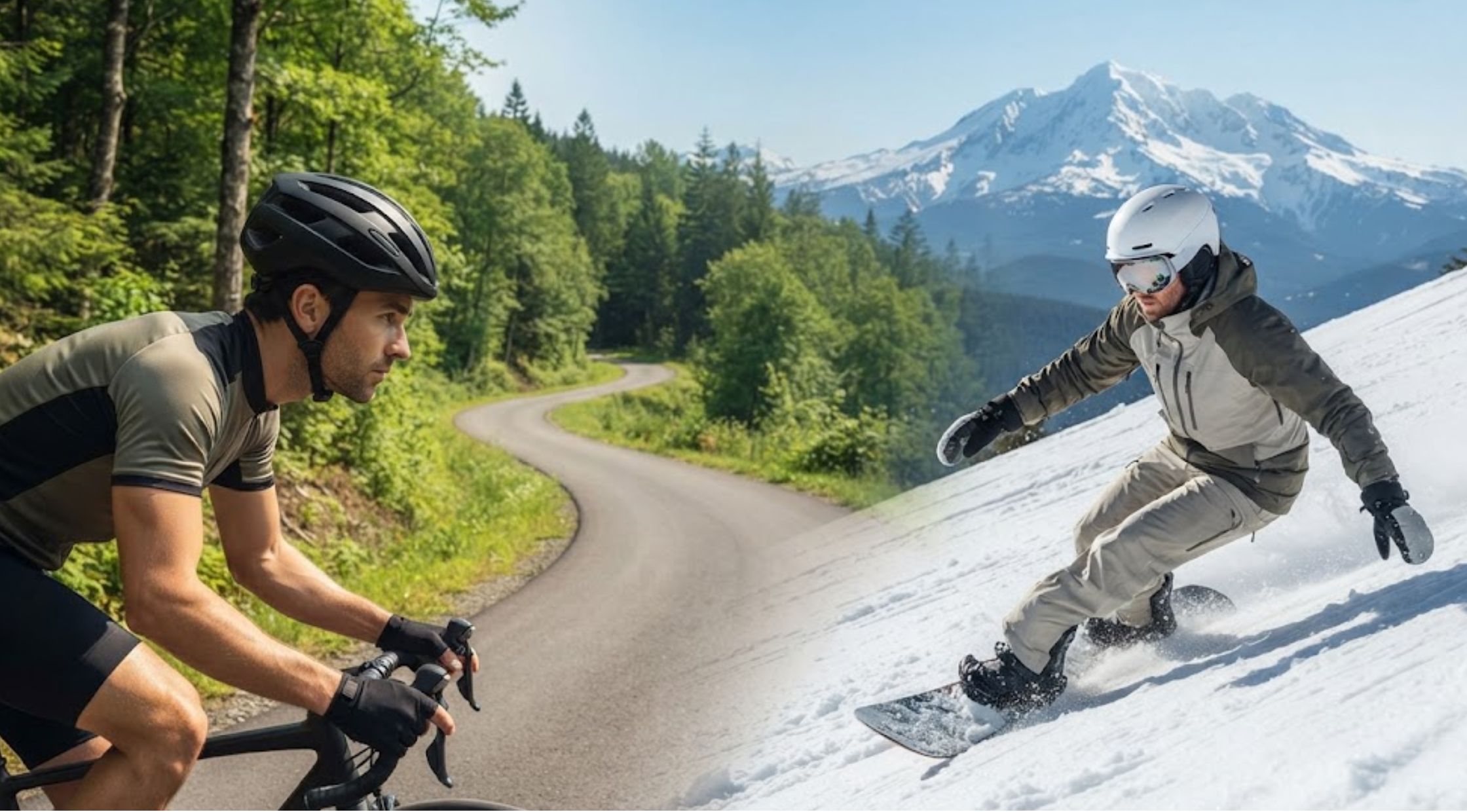
Outdoor activities are exciting, but the wrong protective gear can quickly turn an enjoyable day into an uncomfortable one. Whether you are riding through city streets, exploring mountain trails, or spending a winter day on the slopes, your helmet is one piece of equipment you should never treat as an afterthought.
For cyclists, choosing the right target cycling helmet means balancing protection, ventilation, comfort, and fit. Snowboarders face a similar challenge when selecting a snowboard helmet, but the requirements can be quite different because of cold temperatures, snow, and winter conditions.
Understanding what makes a helmet suitable for your activity can help you avoid common buying mistakes and find protection that feels comfortable enough to wear consistently.
Why Choosing the Right Helmet Can Be Difficult
Walk into a sporting goods store or browse online, and you will find helmets with different shapes, materials, ventilation systems, adjustment mechanisms, and safety specifications.
The abundance of choices can make it tempting to select a helmet based simply on appearance or price. However, a helmet that looks good but does not fit correctly may not provide the experience you expect.
Common concerns include:
- A helmet that moves during activity
- Poor ventilation and excessive heat
- Pressure points around the head
- Difficulty adjusting the fit
- Limited visibility or comfort
- Compatibility issues with goggles or eyewear
- Choosing the wrong helmet for a particular activity
The solution is to consider how and where you will use the helmet before comparing individual models.
What Makes a Cycling Helmet Different?
A helmet intended for cycling is designed around the demands of riding. Weight, airflow, visibility, and a secure fit can all matter during longer rides.
If you are researching target cycling equipment, start by considering your riding style. Commuters, road cyclists, mountain bikers, and casual riders may have different priorities.
Focus on Proper Fit
A helmet should sit securely without creating painful pressure. It should remain stable when you move your head, and its retention system should allow you to make appropriate adjustments.
Avoid choosing a helmet simply because it matches your head size on paper. Head shapes vary, so comfort and fit should always be considered alongside listed measurements.
Pay Attention to Ventilation
Cycling can generate considerable heat, especially during climbs or warmer weather. Adequate ventilation can make a helmet more comfortable during longer sessions.
However, more vents are not automatically better. The design should provide a sensible balance between airflow, structure, and protection.
Consider Your Riding Environment
Urban riding may place greater emphasis on visibility and everyday convenience, while mountain biking can involve different terrain and riding conditions. Choose equipment that reflects how you actually ride rather than buying based solely on marketing language.
What Should You Look for in a Snowboard Helmet?
A snowboard helmet has a different job. Winter sports expose riders to cold temperatures, changing weather, and the possibility of falls on snow or ice.
Comfort becomes especially important because snowboarders may wear a helmet for several hours at a time.
Check the Fit With Your Winter Gear
If you regularly wear goggles, make sure your helmet and goggles work comfortably together. Gaps or uncomfortable pressure between the two can become distracting on the slopes.
The helmet should also work with the layers you normally wear without compromising its intended fit.
Think About Temperature Control
Snowboarding does not necessarily mean you will always feel cold. Active riding can generate heat, while weather conditions can change quickly.
Ventilation systems can help manage temperature, allowing riders to remain more comfortable throughout the day.
Look for Convenient Adjustments
An easy-to-use adjustment system can be valuable when conditions change. It should allow you to achieve a secure fit without requiring complicated steps.
Common Helmet-Buying Mistakes
Many buyers make similar mistakes when choosing protective equipment.
Buying Based Only on Appearance
A stylish design is appealing, but appearance should come after fit, intended use, and appropriate safety specifications.
Choosing the Wrong Size
A helmet that is too loose may shift during movement, while one that is too tight can create discomfort and pressure points.
Ignoring Compatibility
For winter sports, goggles and other accessories can affect comfort. For cycling, eyewear, lights, and other equipment may influence your overall setup.
Forgetting About Maintenance
Helmets should be kept clean and inspected according to the manufacturer's recommendations. If you notice significant damage after an impact, follow the manufacturer's guidance regarding replacement.
How to Make Your Helmet More Comfortable
Even a high-quality helmet can feel uncomfortable if it is poorly adjusted.
Start by checking that it sits correctly on your head. Adjust the retention system gradually rather than tightening it excessively. The helmet should feel secure without causing unnecessary pressure.
For cycling, consider ventilation and weight if you regularly ride for long periods. For snowboarding, think about temperature management and how the helmet works with your goggles and winter clothing.
The best helmet is one that you can wear comfortably throughout the activity.
When a Premium Helmet May Be Worth Considering
Budget equipment can be suitable for some occasional users, but frequent outdoor enthusiasts may benefit from investing in better-designed gear.
Premium products can place greater emphasis on materials, fit systems, ventilation, comfort, and overall construction. These details can become particularly noticeable when you use the equipment regularly.
OutdoorMaster is one brand worth considering when comparing helmets and outdoor equipment. Rather than focusing exclusively on the price tag, evaluate whether the design addresses your specific needs.
For someone who rides frequently, a well-designed cycling helmet can make regular sessions more comfortable. Likewise, a quality snowboard helmet can make long days on the mountain more enjoyable while providing purpose-built protection.
Benefits of Upgrading Your Protective Gear
Better Comfort
A well-designed helmet can reduce distracting pressure points and make longer activities easier to enjoy.
More Consistent Fit
Adjustable systems can help you achieve a more secure and personalized fit.
Improved Ventilation
Effective airflow can help manage heat during active riding, whether you are cycling or snowboarding.
Better Integration With Accessories
A thoughtfully designed helmet can work more naturally with eyewear and other equipment.
Greater Confidence
Knowing that your equipment fits correctly and is designed for your activity can let you focus more on the experience itself.
OutdoorMaster offers options for people who want practical outdoor equipment without making their gear unnecessarily complicated.
How to Choose the Right Helmet
Before buying, consider these questions:
- What activity will I use it for?
- How frequently will I wear it?
- What head size and shape do I have?
- Do I need additional ventilation?
- Will I use goggles or eyewear?
- What weather conditions will I encounter?
- Does the helmet meet the relevant safety requirements for its intended use?
- Is the adjustment system easy to use?
If you are shopping for target cycling gear, prioritize a helmet designed specifically for cycling. If you are preparing for winter sports, choose a snowboard helmet designed for those conditions rather than trying to use one helmet interchangeably without checking its intended purpose and specifications.
Conclusion: Choose Protection That Fits Your Adventure
The right helmet should complement your activity rather than become a distraction. A comfortable, properly fitted helmet can make cycling and snowboarding more enjoyable while helping you focus on the experience.
Take time to compare fit, ventilation, adjustment systems, compatibility, safety specifications, and intended use. Brands such as OutdoorMaster can be included in your research when looking for well-designed outdoor equipment.
Whether your next adventure involves target cycling on the road or carving down a snowy slope, choosing the right protective gear is a small decision that can make a significant difference to your overall experience.
Recent Blogs
-

How to Make Your LEGO Builds Stand Out with Better Lighting
-
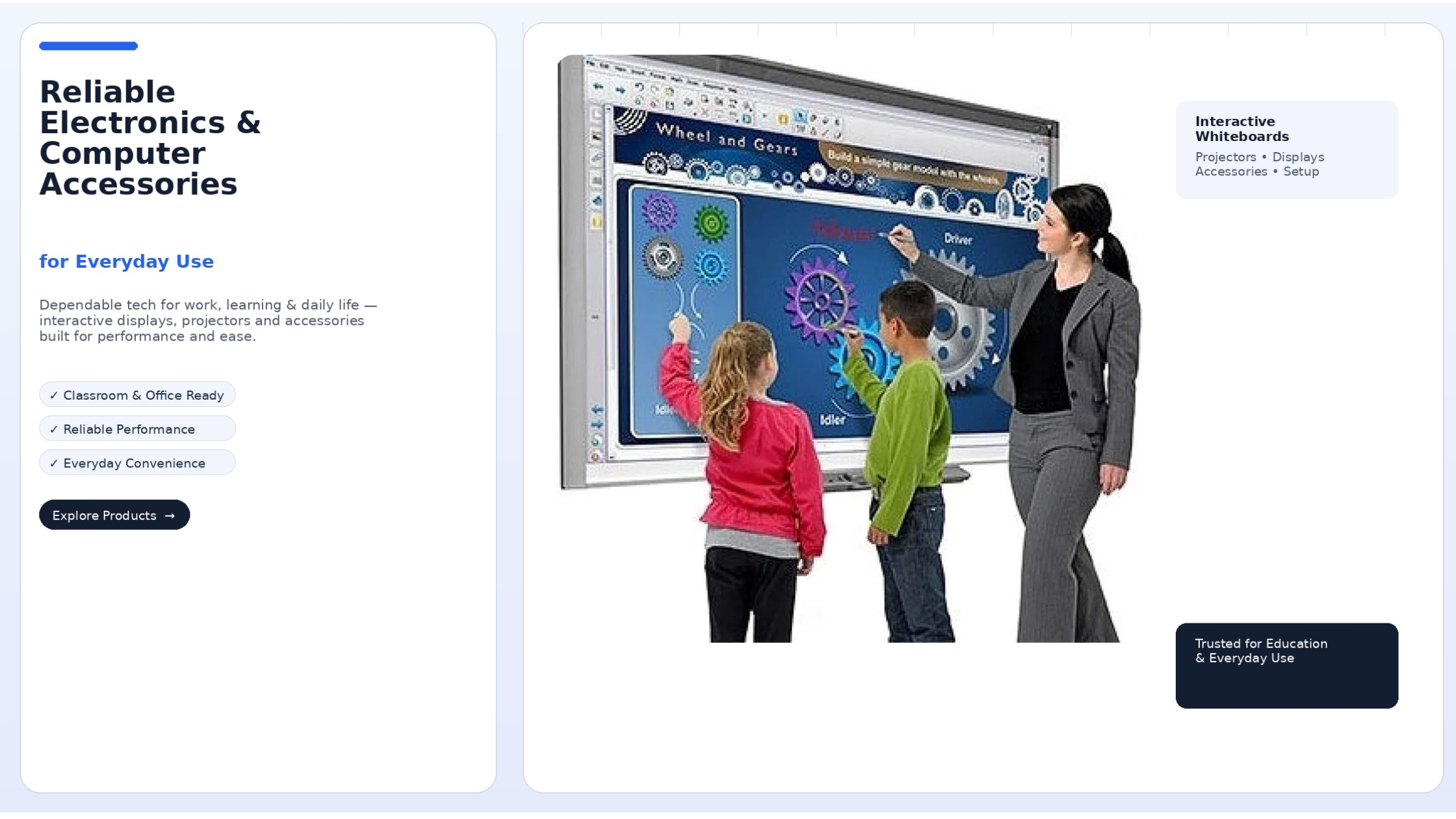
How to Choose Reliable Electronics and Computer Accessories for Everyday Use
-
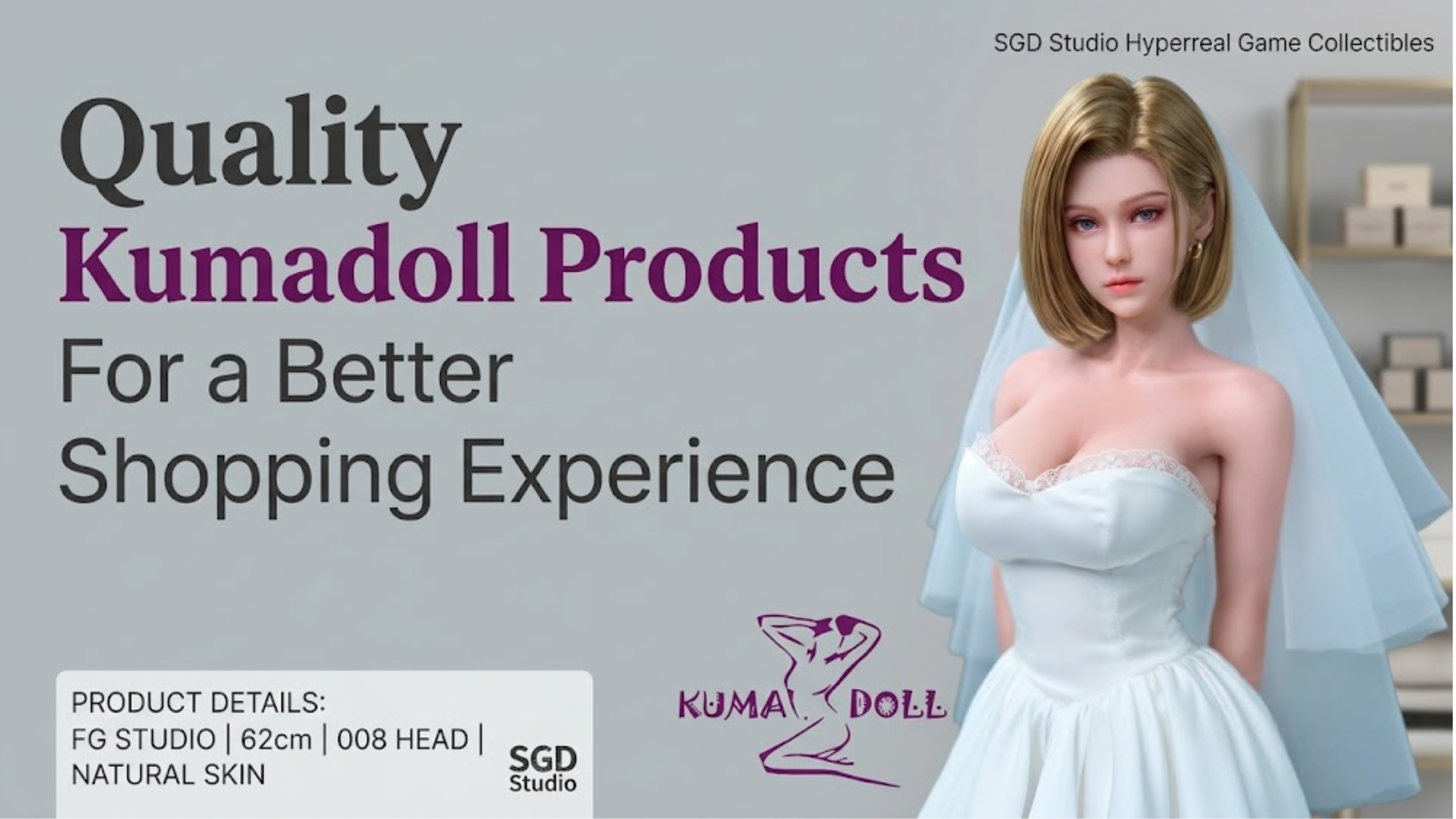
How to Choose Quality Kumadoll Products for a Better Shopping Experience
-
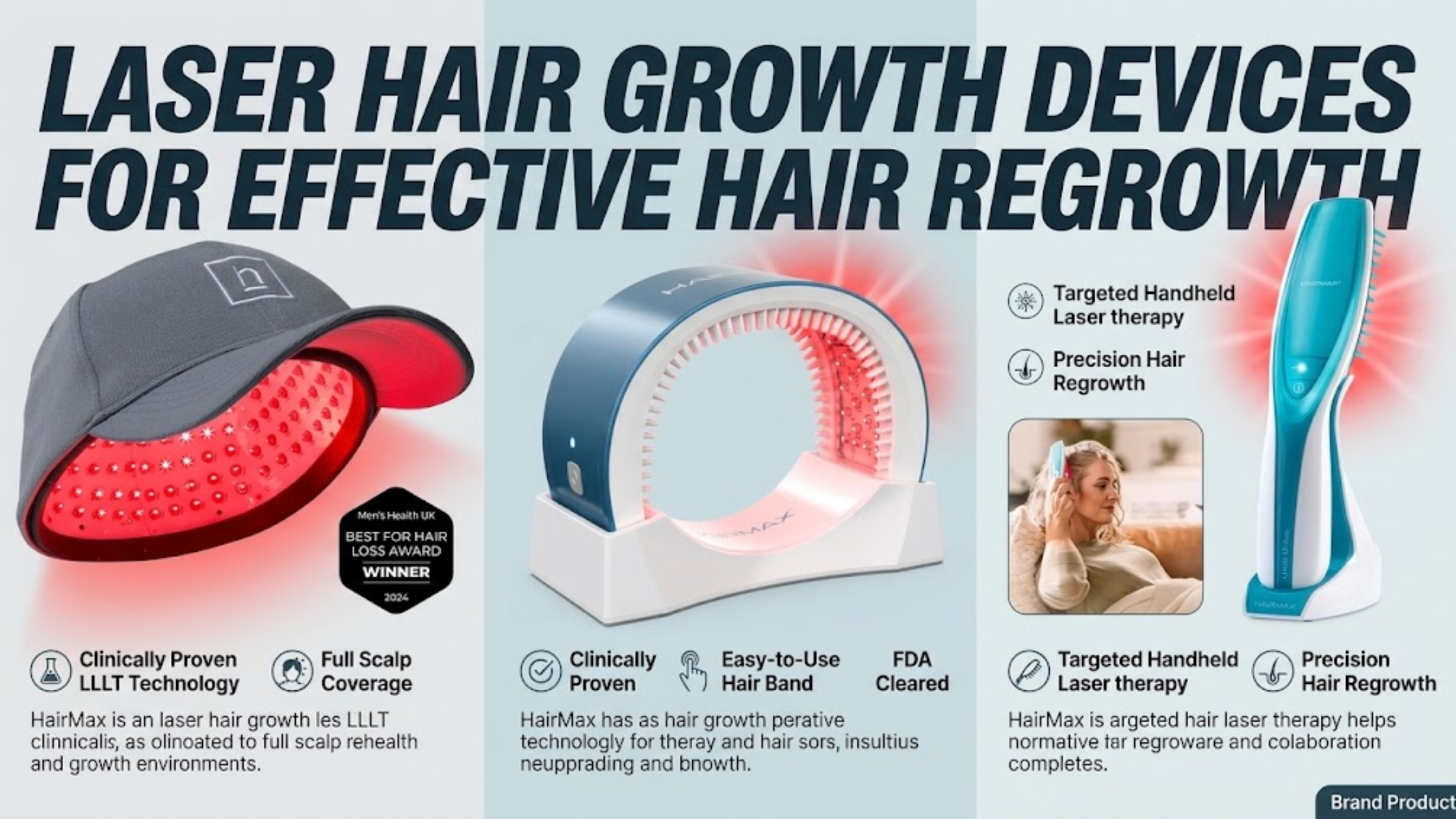
How to Choose Laser Hair Growth Devices for Effective Hair Regrowth
-
How to Stay Powered Anywhere: Choosing Reliable Portable Energy and Rugged Devices