How to Choose the Right Garden Cultivator and Chainsaw for Easier Garden Maintenance

Keeping a garden looking its best can be rewarding, but anyone who regularly works outdoors knows how quickly routine jobs can become exhausting.
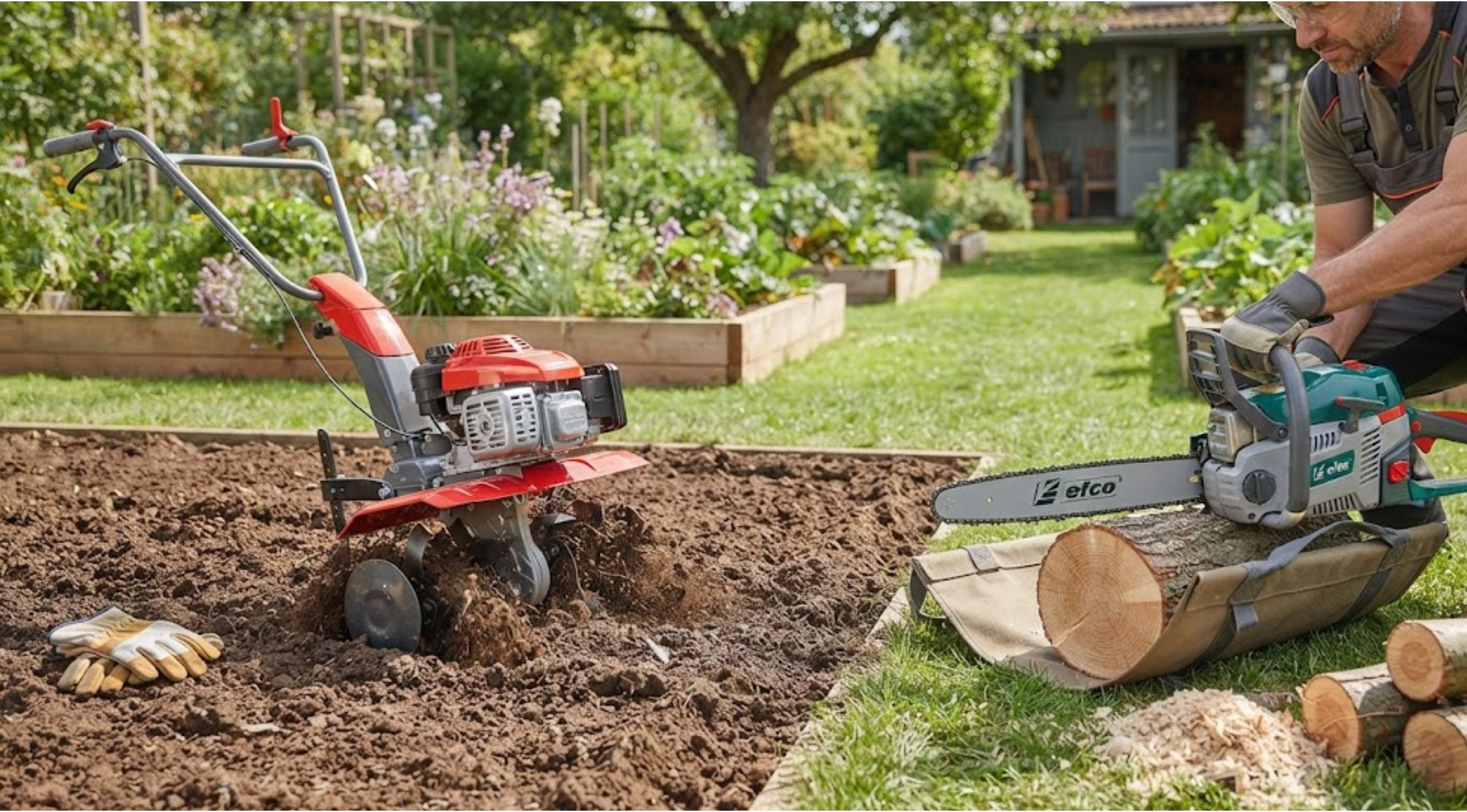
Keeping a garden looking its best can be rewarding, but anyone who regularly works outdoors knows how quickly routine jobs can become exhausting. Turning compacted soil, preparing planting beds, cutting back overgrown branches, or clearing fallen timber can take hours when you're relying entirely on hand tools.
The right garden machinery can make those jobs faster and less physically demanding. However, choosing equipment simply because it looks powerful or is low-cost can lead to disappointing results.
If you're considering a garden cultivator or an Efco chainsaw, it's worth understanding what each tool is designed to do and which features actually matter for your garden.
Why Garden Preparation Can Be So Difficult
Healthy plants need good soil, but preparing that soil isn't always easy.
Compacted ground can be difficult to break up, especially after heavy rain followed by dry weather. Weeds may compete with plants for nutrients, while old roots and debris can make preparing a new bed even more challenging.
Trying to complete these jobs with a basic spade or fork can be physically demanding.
A garden cultivator is designed to make soil preparation more efficient by breaking up and loosening the upper layer of soil. Depending on the model, it may also help incorporate organic matter and prepare areas for planting.
The key is choosing a machine that's appropriate for the size and condition of your garden rather than simply selecting the most powerful option available.
Choosing the Right Garden Cultivator
Before buying a cultivator, consider the type of work you normally perform.
Consider Garden Size
A small garden with narrow beds may benefit from a compact, manoeuvrable machine. Larger areas may require equipment with greater working width or more power.
Think about access as well. A machine that performs well but is difficult to move through gates, paths, or between established plants may become frustrating to use.
Think About Soil Conditions
Soft, previously cultivated soil requires less power than heavy or compacted ground.
If your garden contains dense clay or has rarely been cultivated, look for a machine capable of handling tougher conditions without repeatedly struggling or requiring excessive passes.
Check Working Width and Depth
Working width determines how much ground you can cover in a single pass. A wider machine can be efficient for open areas, while a narrower model can be easier to control around plants and confined beds.
Adjustable cultivation depth can also be useful, as different gardening tasks may require varying levels of soil disturbance.
When You Need More Than a Cultivator
Soil preparation isn't the only challenging garden job.
Trees and shrubs can quickly become overgrown, while fallen branches may need to be cut into manageable sections. That's where a chainsaw can become a useful addition to a gardener's equipment.
An Efco chainsaw can be considered when you need a dedicated cutting tool for appropriate garden and property-maintenance tasks.
However, chainsaws aren't one-size-fits-all machines. Choosing the correct model depends on the type and frequency of cutting you'll be doing.
How to Choose an Efco Chainsaw
Match the Saw to the Job
Start by thinking about what you actually need to cut.
Occasional pruning and smaller branches don't necessarily require the same equipment as cutting larger pieces of timber. Choosing a chainsaw that's too large can make it unnecessarily difficult to control, while a model that's too small may struggle with demanding work.
Consider Weight and Handling
A chainsaw should be manageable for the person using it. Weight becomes particularly important when working for extended periods or handling branches at different heights.
Balance and ergonomics matter just as much as engine or motor specifications.
Don't Ignore Safety Features
Chainsaws require careful handling regardless of experience.
Look for appropriate safety features and always follow the manufacturer's instructions. Protective equipment such as chainsaw trousers, gloves, eye protection, hearing protection, and suitable footwear should also be considered where appropriate.
If you're unfamiliar with chainsaw operation, professional instruction can be extremely valuable.
Common Buying Mistakes to Avoid
One of the biggest mistakes gardeners make is buying based on headline specifications alone.
A machine may have impressive power, but that doesn't automatically make it the right choice.
Instead, consider:
- How often you'll use it
- The size of your garden
- The type of soil you have
- The size of branches you need to cut
- Available storage space
- Machine weight
- Maintenance requirements
- Availability of replacement parts
- Manufacturer support
Buying a tool that fits your actual needs can provide better value than purchasing a machine with capabilities you'll rarely use.
Practical Maintenance Makes a Difference
Even high-quality garden machinery needs regular care.
For a cultivator, check the tines, remove accumulated soil and debris, and follow the manufacturer's maintenance schedule.
For an Efco chainsaw, regular checks are particularly important. The chain, guide bar, lubrication system, and other components should be maintained according to the manufacturer's instructions.
Keeping equipment clean and properly stored can also help extend its useful life.
When Upgrading to Better Equipment Makes Sense
If you're regularly spending weekends fighting compacted soil or dealing with branches using inadequate tools, upgrading can make a noticeable difference.
A well-chosen garden cultivator can turn laborious soil preparation into a much quicker task. Similarly, the right chainsaw can make suitable cutting and garden-clearance jobs more manageable.
This is where specialist retailers such as Just Lawnmowers can be useful. Rather than treating garden machinery as a generic purchase, a specialist approach allows you to compare equipment according to the work you actually need to complete.
Just Lawnmowers also provides access to a broader range of garden machinery and equipment, making it easier to consider factors such as machine size, intended application, and maintenance.
The Benefits of Investing in the Right Tools
The biggest benefit of good garden machinery isn't simply speed.
It's reducing unnecessary physical effort while getting more consistent results.
With the right garden cultivator, preparing beds can become less of a chore. Instead of spending hours manually breaking up soil, you can concentrate more on planting, improving the garden layout, and maintaining healthy growing areas.
Likewise, an appropriately selected Efco chainsaw can make suitable cutting tasks more efficient while providing a purpose-built solution rather than relying on unsuitable tools.
Good equipment can also be a long-term investment when it is properly maintained and matched to the work.
Conclusion: Choose Machinery Based on Your Garden
The best garden machinery isn't necessarily the biggest, fastest, or most expensive option. It's the equipment that matches your garden, your workload, and your experience.
Before choosing a garden cultivator, consider your soil, working area, access, and cultivation requirements. If you're looking for a chainsaw, think carefully about the size and type of cutting work you'll perform and prioritize safe, appropriate operation.
For gardeners who want to compare quality machinery and accessories, Just Lawnmowers is worth exploring as part of the buying process.
A little research before purchasing can help you choose equipment that makes garden maintenance easier, not another machine that ends up sitting unused in the shed.
Recent Blogs
-

How to Make Your LEGO Builds Stand Out with Better Lighting
-

How to Choose Reliable Electronics and Computer Accessories for Everyday Use
-

How to Choose Quality Kumadoll Products for a Better Shopping Experience
-
How to Choose Laser Hair Growth Devices for Effective Hair Regrowth
-
How to Stay Powered Anywhere: Choosing Reliable Portable Energy and Rugged Devices