How to Choose the Right Heart Monitoring Device

Monitoring heart function and performance during exercise can enable athletes and fitness enthusiasts to gain insight into how their body will react to various intensities of exercise.
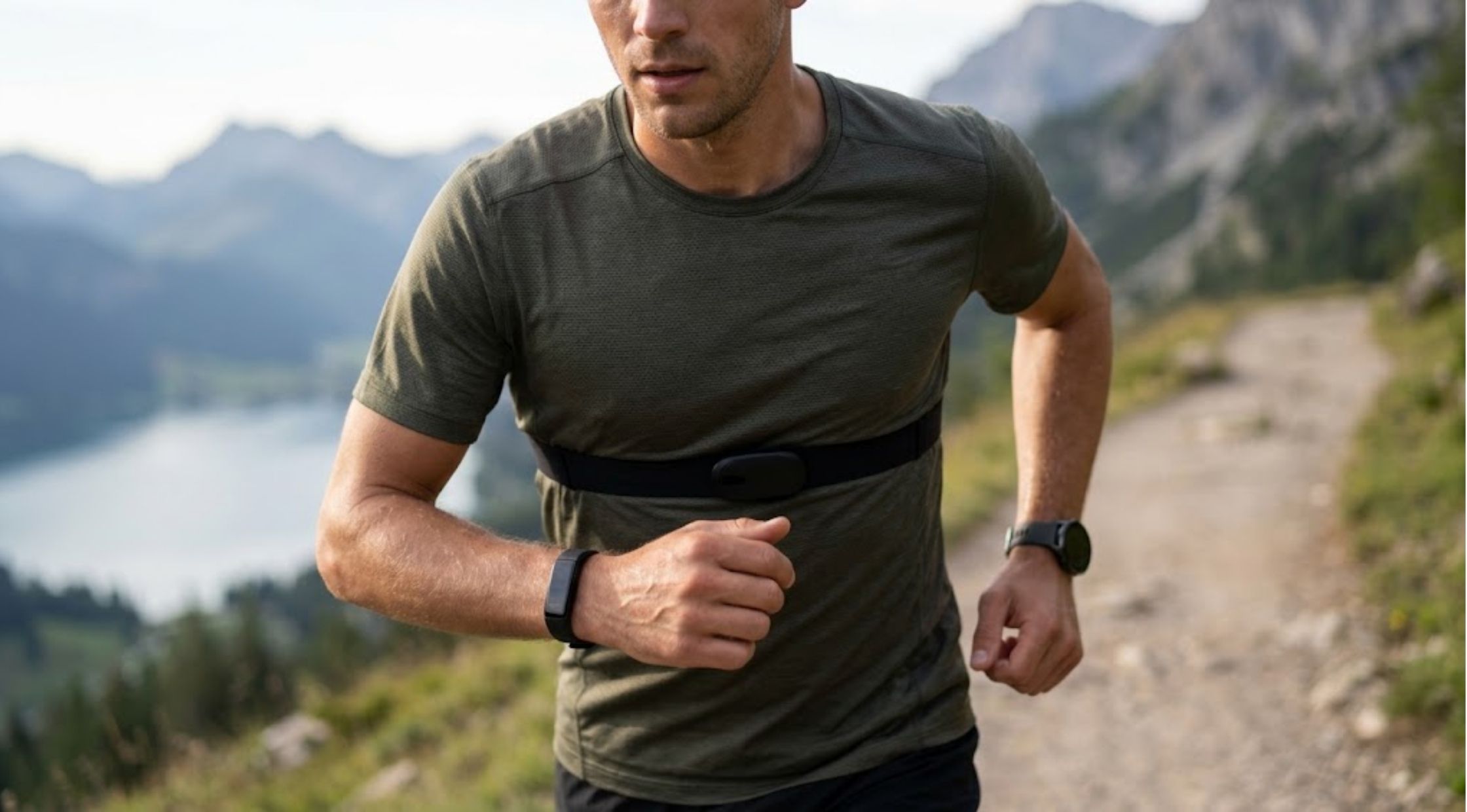
Monitoring heart function and performance during exercise can enable athletes and fitness enthusiasts to gain insight into how their body will react to various intensities of exercise. These days, various monitoring devices can be worn and range from the traditional chest straps to more advanced ones. Fourth Frontier offers technology based on real-time cardiac monitoring, but the choice depends on the nature of the activity, comfort, data needs and purpose of the data.
How to Choose the Right Chest Strap
One common method of measuring heart activity while exercising is with a chest strap. It is placed around the chest, with sensors against the skin, that take heart-related measurements.
Key Factors to Consider Before Buying
- Comfort and adjustability
- Sensor placement
- Battery life
- Wireless connectivity
- Fit with your fitness equipment
- Ease of cleaning
A good fit is crucial because the sensors require a steady contact with the skin. The strap should not be unnecessarily restrictive when running, cycling, doing gym exercises or any other type of exercise where movement is involved.
How Wearable ECG Technology Functions
A wearable ECG device is a type of device used to record the electrical activity of the heart. An ECG system can offer more detailed cardiac information, depending on its design and intended use, as opposed to a device that just estimates the heart rate.
Fourth Frontier is focused on wearable technology that will be able to record an ECG while someone is active. This could be helpful to athletes looking for more info than simple heart-rate monitoring offers.
Important Medical Disclaimer
But ECG data must be interpreted in a suitable manner. Fitness monitoring can not replace medical diagnosis and fitness users should seek advice from a qualified health care expert if they have any concerns regarding symptoms or heart health.
Selecting a Wireless Heart Monitor
A wireless heart monitor makes it easier to get and send exercise information without having to physically attach to a larger device.
Feature Comparison Checklist
When comparing wireless monitors, you should do the following:
- Connectivity: Check if it is compatible with your phone, smartwatch, cycling computer or other gadgets.
- Data collection: Check the measurements the device measures.
- Battery life: Consider how frequently you want to recharge it.
- Practicality: The device should not be uncomfortable in the longer sessions.
- App compatibility: Ensure that the software you want to use is compatible with the device.
With wireless connectivity, it can be beneficial in cases where you want to check workout data after exercising without having to use a display directly connected to the sensor.
Comparing Heart Monitoring Technologies
Heart monitors aren't all created equal. If you just want to use a heart-rate sensor to monitor the intensity of your workout, then a basic sensor might suffice. For people who wish to get more cardiac details while training, more advanced ECG based technology may be better.
Think carefully about your needs before you purchase a device. If the goal is only to monitor heart rates, a basic monitor might suffice. If detailed ECG information is critical to your training, research training specifically for that purpose.
Best Practices for Training with a Heart Monitor
The heart monitor is a valuable tool for training. The heart monitor is a great tool to use when you train.
Ensure that your monitor is installed properly and plugged into the correct device or app before exercising.
For a chest strap, adhere to the manufacturer's guidelines for positioning and the strap should be snug but not tight when in use. Ensure sensors are kept clean and cared for according to the recommendations.
Interpreting Your Workout Data
Take note of trends and not too much on one reading during training. Measurements may be affected by intensity of exercise, temperature, hydration, and individual differences.
If there are unusual numbers appearing on the screen and physical symptoms that are problematic, discontinue exercise and consult a health professional rather than using the monitor to diagnose problems.
Device Maintenance and Care
With proper maintenance the useful life of monitoring equipment can be extended. Wash sensor and strap as per the manufacturer's directions, particularly after heavy sweating during exercise.
Follow the manufacturer's instructions for recharge and store in proper environment. Regularly check straps, connectors, charging components and sensor surfaces for wear.
If the device is equipped with a detachable strap, evaluate if the manufacturer indicates when or if it should be replaced or when the strap material starts to wear out.
Is a Fourth Frontier Device Right for You?
The most appropriate monitoring solution will be based on training style and the information you are interested in gathering. For monitoring heart activity during physical activity, a chest strap might be useful, and for easy heart activity monitoring and data transfer, a wireless heart monitor may be convenient.
It can give a different level of information to athletes who want to know more about their heart than just the HR, as opposed to a basic heart-rate monitor. If you are interested in exploring wearable cardiac-monitoring technology for active use, then Fourth Frontier will be worth checking out.
Thoroughly examine the specifications, compatibility, intended use and data features of any monitoring device before buying it.
Final Thoughts
As more individuals seek to know more about their training they have turned to heart-monitoring technology to help fill this gap. The key is to consider comfort, connectivity, battery life, data needs, and usage when picking the right device.
When it comes to chest straps, or the wear on a chest strap ECG or a wireless heart monitor, try to look at the features that actually correspond to your training. Keep in mind that wearable monitoring devices can offer valuable information but shouldn't be used in place of medical professional assessment when health concerns arise.