How to Choose the Right Portable Power Solution for Home Backup and Off-Grid Use

When the power goes out unexpectedly, a few hours without electricity can quickly become frustrating.
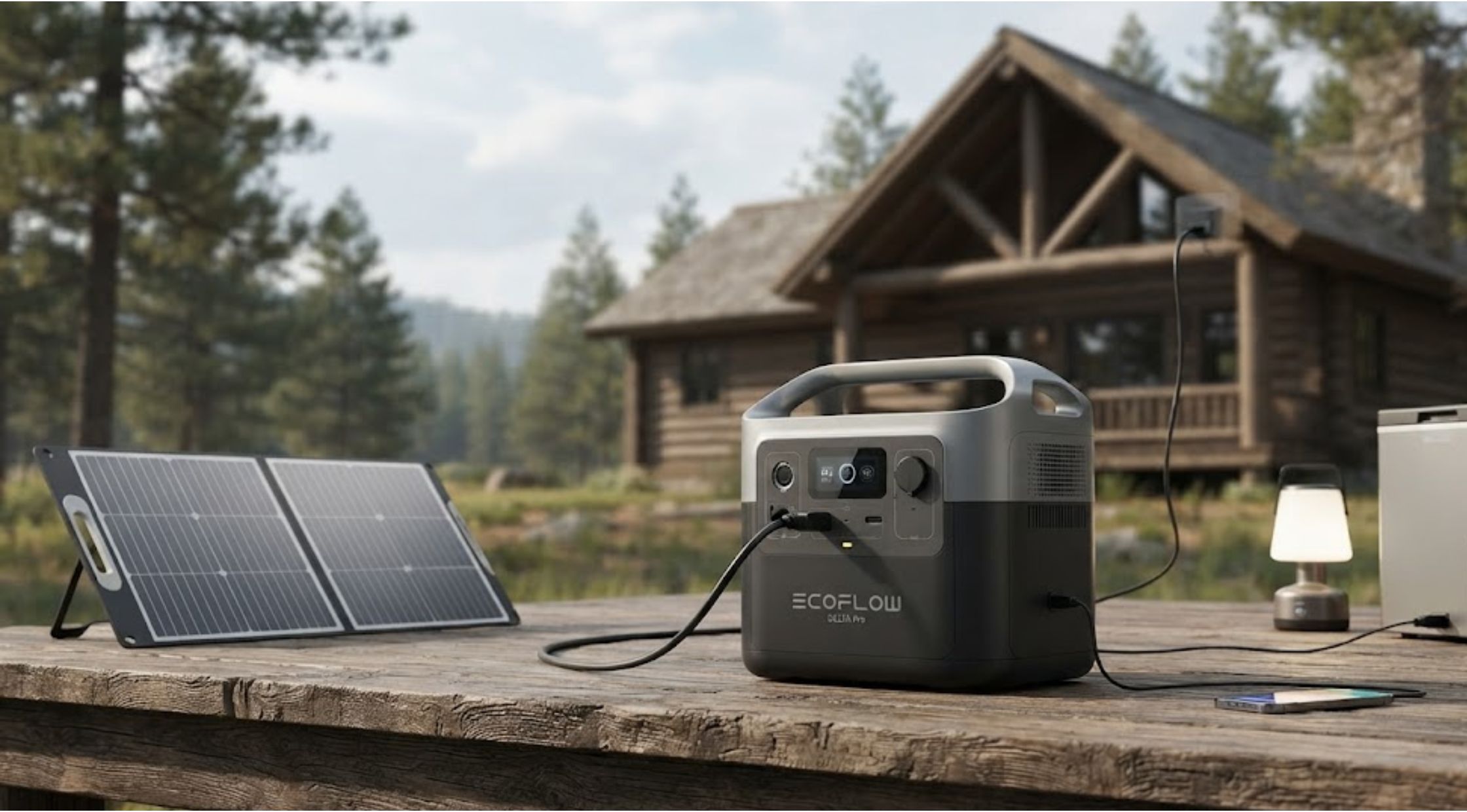
When the power goes out unexpectedly, a few hours without electricity can quickly become frustrating. Refrigerators stop running, Wi-Fi goes down, phones need charging, and essential appliances may suddenly become unavailable. For people who work from home, travel frequently, or enjoy off-grid adventures, having dependable backup power is more than a convenience; it can provide valuable peace of mind.
The challenge is choosing a power solution that offers enough capacity without becoming difficult to transport or operate. Understanding your energy needs, battery capacity, output, charging options, and intended use can help you make a smarter decision.
Why Backup Power Is Becoming More Important
Power interruptions can happen for many reasons, including severe weather, equipment failures, maintenance, or overloaded electrical systems. Even a relatively short outage can affect your daily routine.
Traditional fuel-powered generators can provide substantial power, but they may require gasoline, produce exhaust, and create considerable noise. Portable battery systems offer a different approach by storing electricity in advance and delivering it when needed.
For homeowners and outdoor enthusiasts, an EcoFlow generator can be an attractive alternative when quiet, convenient backup power is a priority.
Common Problems People Face With Portable Power
Not every power station is suitable for every situation. A small unit may be convenient for charging phones and laptops but struggle with larger appliances. On the other hand, an oversized system can cost more and become difficult to move.
Some of the most common concerns include:
- Running out of stored power too quickly
- Not having enough outlets
- Limited charging options
- Difficulty powering high-demand appliances
- Long recharge times
- Excessive noise from traditional generators
- Choosing a system that is too large for occasional use
The solution starts with understanding how much electricity you actually need.
How to Calculate Your Power Requirements
Before buying a portable power station, make a list of the devices you expect to run.
For example, you might need power for:
- Refrigerators
- Televisions
- Wi-Fi routers
- Laptops
- Phones and tablets
- Lights
- Fans
- Small kitchen appliances
Check the wattage listed on each device. Then consider how long you want to operate it.
There is an important difference between watts and watt-hours. Watts describe how much power a device requires at a particular moment, while watt-hours describe how much energy is consumed over time.
A power station with a larger battery capacity can generally operate devices for longer, but actual runtime depends on the appliances connected and their power consumption.
Understanding the EcoFlow DELTA Pro
For users who need more substantial backup capacity, the EcoFlow DELTA Pro is designed for situations where a basic portable battery may not be enough.
A system in this category can be useful for home backup, RV trips, workshops, camping, and other situations where multiple devices may need to operate simultaneously.
Instead of focusing only on maximum capacity, consider how the system fits your lifestyle. If you regularly experience outages or need to operate several appliances during an emergency, investing in a higher-capacity solution may make more sense than repeatedly upgrading smaller power stations.
Portable Power vs. Traditional Generators
Traditional generators remain useful for many applications, particularly when extended fuel-powered operation is required. However, battery-powered systems can offer several practical advantages.
Quieter Operation
Battery power stations generally operate much more quietly than conventional fuel generators. This can be particularly useful in residential areas, campsites, or indoor-adjacent spaces where excessive noise is undesirable.
No Fuel Storage
A battery system eliminates the need to keep gasoline or other fuel readily available. This can simplify emergency preparation and reduce the inconvenience associated with fuel storage.
Multiple Charging Options
Modern portable power stations can often be recharged through wall outlets, vehicle charging, or compatible solar panels. Having multiple options can be valuable during extended outages.
Easy Everyday Use
Battery systems are typically designed with straightforward controls and multiple output ports, making them practical for everyday electronics as well as emergencies.
Practical Ways to Get More From Your Power Station
Even a powerful system can run out of energy if it is used inefficiently. A few habits can help extend battery life.
Prioritize Essential Devices
During an outage, focus first on essential appliances and communication devices. A refrigerator, medical equipment where appropriate, phone, or Wi-Fi router may be more important than entertainment devices.
Monitor Your Energy Consumption
Keep an eye on the remaining battery percentage and avoid connecting unnecessary devices. Understanding which appliances consume the most electricity can help you plan more effectively.
Consider Solar Charging
If you want longer-term off-grid capability, solar charging can provide an additional way to replenish your battery. This is particularly useful for camping, RV travel, and prolonged power interruptions.
Keep the System Ready
A backup power station is most useful when it is charged and ready before an outage occurs. Periodically check the battery level and charging equipment so you are not caught unprepared.
When a Premium Power Station Makes Sense
A premium portable power system may be worthwhile if you want more than occasional phone charging. Frequent travelers, remote workers, campers, RV owners, and homeowners preparing for outages may benefit from additional capacity and flexibility.
EcoFlow has developed a range of portable power solutions aimed at different energy requirements. The right model depends on whether you primarily need emergency backup, outdoor power, or a more comprehensive home energy solution.
For higher-demand situations, the EcoFlow DELTA Pro can be worth considering because it is positioned toward users who need substantially more capacity than compact portable units provide.
Benefits of Upgrading Your Backup Power Setup
Choosing a capable power station can change how you approach unexpected outages and off-grid situations.
Greater Peace of Mind:
Having stored energy available means you are less dependent on the electrical grid during short-term interruptions.
More Flexibility:
Portable power can travel with you to campsites, RVs, workshops, or remote locations.
Convenient Charging:
Multiple charging methods can make it easier to replenish the system depending on where you are.
Cleaner Everyday Operation:
Battery-powered systems avoid the exhaust associated with fuel-burning generators during operation.
Better Preparedness:
A properly sized power station can keep essential electronics and appliances running when conventional electricity is unavailable.
How to Choose the Right EcoFlow Generator
Before purchasing, consider your expected power requirements rather than simply choosing the largest model available.
Ask yourself:
- Which appliances do I need to power?
- How many watts do they require?
- How long do I need backup power?
- Will I use the system at home or outdoors?
- Do I want solar charging?
- How portable does the system need to be?
- Do I need expansion options for future energy needs?
These questions can help narrow down the right capacity and features for your lifestyle.
Conclusion: Invest in Power That Fits Your Needs
A backup power system should make unexpected situations easier, not create another complicated problem. Whether you need basic portable electricity for electronics or substantial capacity for home backup, understanding your energy requirements is the first step toward making a confident choice.
For people who need a more capable solution, exploring EcoFlow's range of portable power systems can be a practical starting point. The EcoFlow DELTA Pro may be especially appealing to households and outdoor users who need higher capacity and greater flexibility.
Ultimately, the best EcoFlow generator is the one that matches your actual power requirements, budget, portability needs, and charging options. With the right system prepared in advance, power interruptions and off-grid adventures become much easier to manage.
Recent Blogs
-

How to Make Your LEGO Builds Stand Out with Better Lighting
-
How to Choose Reliable Electronics and Computer Accessories for Everyday Use
-

How to Choose Quality Kumadoll Products for a Better Shopping Experience
-

How to Choose Laser Hair Growth Devices for Effective Hair Regrowth
-
How to Stay Powered Anywhere: Choosing Reliable Portable Energy and Rugged Devices