How to Choose the Right Sewing Machine and Parts

Sewing can be useful, a creative pastime, or a mini business.
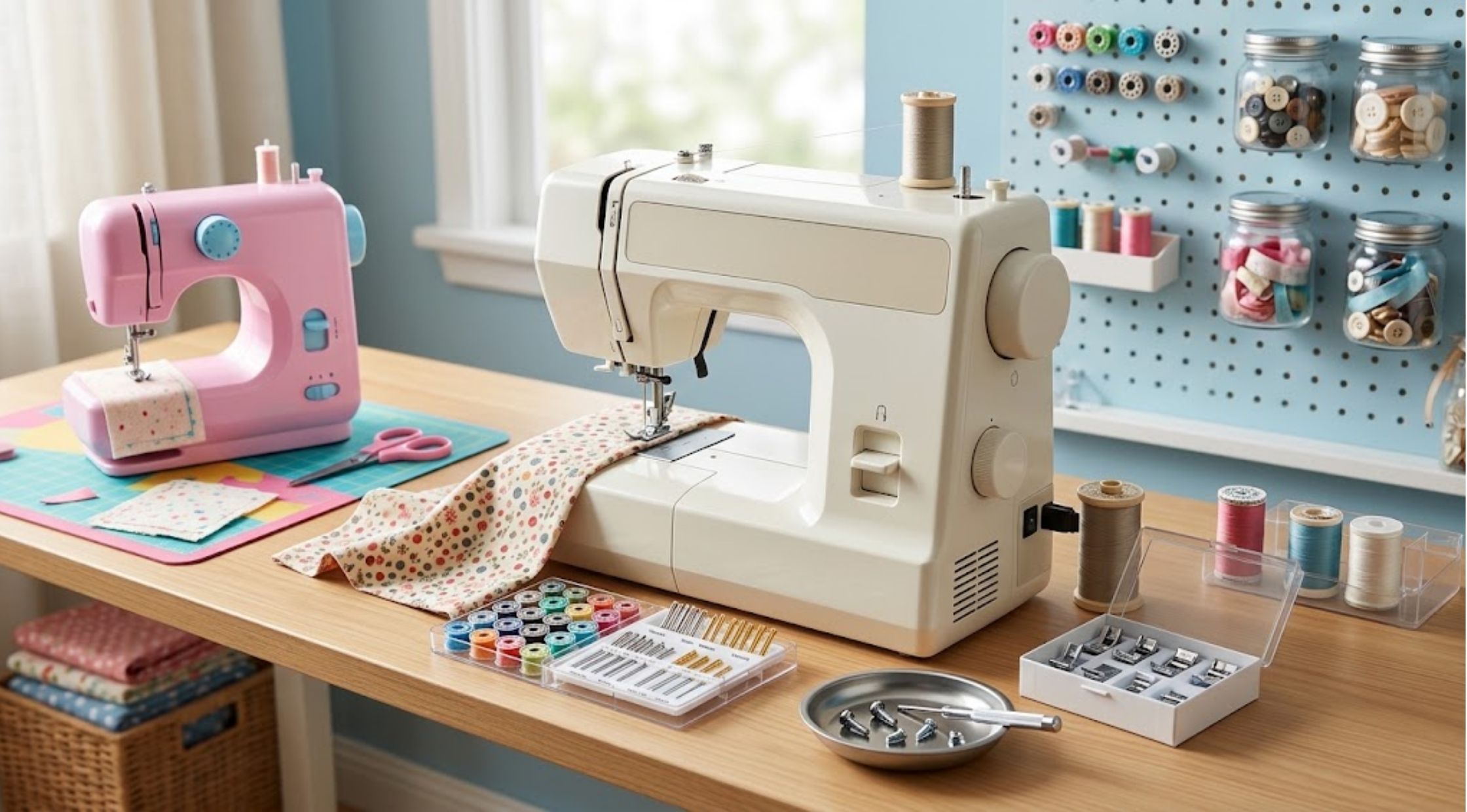
Sewing can be useful, a creative pastime, or a mini business. From simple stitching to creating intricate designs, the right sewing machine and accessories can help make sewing easier. Sewing Machines Plus offers sewing machines and supplies to various skill levels, but it's important to know what to consider so you can make a better selection.
Purchasing Sewing Machine Parts Online
When it comes to sewing machine parts, it is convenient to find them online when you need to replace a worn part or attach an accessory to your sewing machine. Compatibility is always first, however.
Before ordering a part, make sure you have your machine's:
- Brand and model number
- Machine series
- Part number (if applicable)
- Manual or manufacturer's specifications
- Required attachment dimensions and connection type
Other common replacement and accessory items include presser feet, bobbins, needles, belts, needle plates, and other parts depending on the specific machine. Don't select a part just because it is similar in appearance to the original. Different sizes and attachment systems may cause incompatibility.
Organizing Supplies and Tools
There are some sewing supplies that are advisable to organize before going to the store. Consider the projects you work on most often and the accessories you use most frequently.
- Beginner sewists: Basic needles, bobbins, thread, scissors, and a good presser foot.
- Advanced sewists: Specialized feet, cutting attachments, machine-specific parts, or tools for advanced stitching methods.
Although Sewing Machines Plus includes various kinds of supplies, it is important to compare product specifications with your current machine before buying.
How to Choose a Kids Sewing Machine
A kid's sewing machine ought to be picked in consideration of the child's age, experience, and required supervision levels. Sewing requires the use of needles and mechanical elements; young users should always be supervised.
To select a machine for a novice youth, check for:
- Simple, intuitive controls
- Appropriately sized frame and design
- Easy-to-understand settings
- Suitable safety features (such as finger guards)
- Easy threading system
- Clear, beginner-friendly instructions
If you want to teach a child to sew, a simple machine will suffice; avoid overwhelming them with too many complex features.
How to Teach Youngsters Basic Sewing Skills
After choosing an appropriate kids sewing machine, introduce sewing step by step:
- Explain the fundamentals: Describe the principal components of the machine and their functions.
- Practice fabric handling: Allow children to explore moving material through the workspace before threading or powering the machine.
- Master basic stitches: Under direct supervision, practice simple, straight-line stitching.
- Start small projects: Beginner items—like fabric bookmarks, little pouches, or simple decorations—help build coordination and confidence.
Always follow the machine's instructions and recommended safety practices.
Knowing When to Replace Sewing Machine Parts
Sewing machines Plus may exhibit several indications that a part is in need of inspection or replacement. Unevenly pitched stitches, dropped stitches, unusual mechanical noises, frequent thread breaks, or fabric feeding difficulties all indicate an issue.
However, these symptoms do not always mean a part needs replacement. The same issues can be caused by:
- Incorrect machine threading
- Using an improper needle size or type
- Incorrect thread tension
- Accumulated lint or debris inside the machine
First, troubleshoot using your machine's instruction manual. If a component is confirmed damaged or worn, ensure you identify the exact part number before ordering a replacement.
How to Maintain Your Sewing Machine
Proper maintenance will ensure a sewing machine runs smoothly and reliably:
- Clean regularly: Clear lint and loose threads from accessible areas according to manufacturer specifications.
- Replace needles: Change needles routinely, especially if they become bent, dull, or damaged.
- Organize accessories: Keep bobbins, presser feet, and specialty tools organized and clearly labeled.
- Lubricate properly: Use only recommended sewing machine oil and follow manufacturer directions if your model requires lubrication (some modern machines do not require user oiling).
Building a Practical Sewing Setup
Not all sewing accessories are required to build a functional workspace. Keep gradual track of your projects and ensure you have the machine and core tools required for those specific jobs before adding specialized accessories.
When shopping online for sewing machine parts, keep your machine's exact information on hand to ensure compatibility. Sewing Machines Plus is a helpful resource for beginners and experienced sewists alike to explore compatible machines, accessories, and supplies.
When choosing a child's machine, prioritize simplicity, functional safety, and age-appropriateness over aesthetic appeal alone.
Final Thoughts
Understanding your specific project requirements and machine specifications makes selecting the right sewing setup simple. Whether sourcing compatible replacement parts online or comparing supplies at Sewing Machines Plus, clear planning prevents unnecessary purchases.
For young beginners, a simple children's sewing machine offers an accessible and engaging entry point when paired with proper supervision. By reviewing specifications, maintaining your equipment, and choosing tools tailored to your projects, you can create a smooth and enjoyable sewing experience at any skill level.
Recent Blogs
-

How to Make Your LEGO Builds Stand Out with Better Lighting
-
How to Choose Reliable Electronics and Computer Accessories for Everyday Use
-

How to Choose Quality Kumadoll Products for a Better Shopping Experience
-
How to Choose Laser Hair Growth Devices for Effective Hair Regrowth
-

How to Stay Powered Anywhere: Choosing Reliable Portable Energy and Rugged Devices