How to Keep Your Aquarium or Small Pond Clean With the Right Filtration System

A beautiful aquarium or garden pond can make any space feel calmer and more inviting.
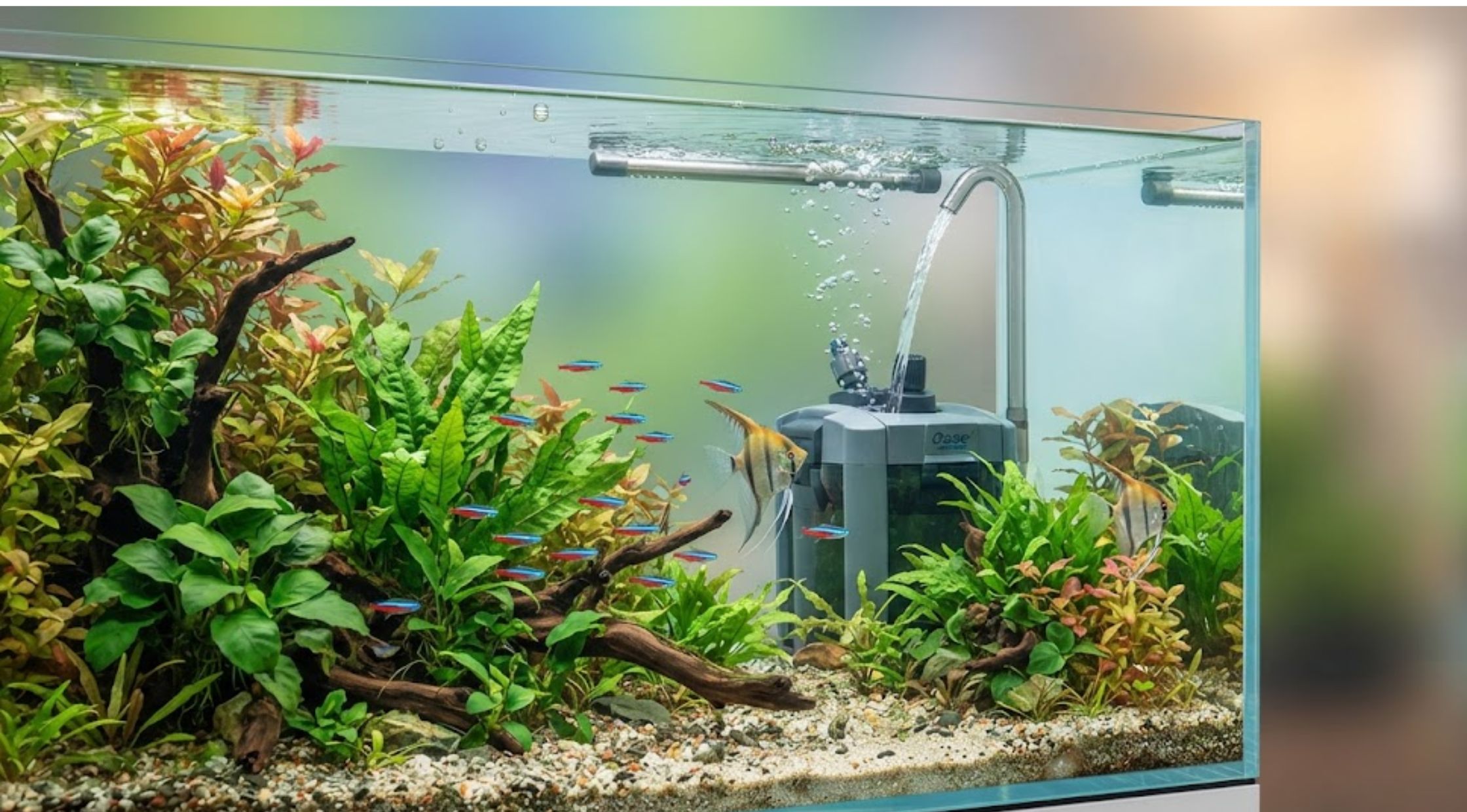
A beautiful aquarium or garden pond can make any space feel calmer and more inviting. But when the water becomes cloudy, algae spreads quickly, or unpleasant odors appear, maintaining that peaceful environment can turn into a frustrating chore.
Many people assume that frequent water changes are the only answer. In reality, healthy water usually starts with the right circulation and filtration setup. Whether you are choosing a fish tank filter pump for an indoor aquarium or exploring small pond ideas for your garden, understanding how filtration works can help you create a cleaner and easier-to-maintain aquatic space.
The goal is not simply to make water look clear. Good filtration helps create a more balanced environment where fish, plants, and beneficial microorganisms can thrive.
Common Problems Aquarium and Pond Owners Face
Cloudy water is one of the most common concerns. It may appear after adding fish, changing the water, feeding too much, or disturbing the substrate. Green water caused by algae can also become an issue, particularly when a pond receives long periods of direct sunlight.
Other common problems include:
- Water that develops an unpleasant smell
- Debris collecting on the bottom
- Weak water movement
- Filters becoming clogged too quickly
- Excess fish waste or uneaten food
- Algae growth around pond edges
- Poor circulation in larger or irregularly shaped ponds
These problems are often connected. When waste is not removed efficiently, water quality may decline, and maintenance can become more time-consuming.
A properly selected fish tank filter pump can help move water through filtration media, reduce the buildup of suspended particles, and support more consistent circulation.
Why Water Quality Problems Develop
Aquariums and ponds are small ecosystems. Fish produce waste, food particles break down, and leaves or other organic matter may enter the water. As these materials decompose, they can affect water quality.
Filtration generally performs three important functions:
Mechanical Filtration
Mechanical media capture visible particles such as food, plant material, and debris. This helps improve water clarity and prevents larger particles from circulating continuously.
Biological Filtration
Beneficial bacteria grow on filter media and help process waste compounds. This biological balance is important because clear water is not always the same as healthy water.
Chemical Filtration
Some systems use specialized media to remove certain dissolved substances or odors. Chemical filtration may be useful in specific situations, but it should complement not replace regular maintenance and appropriate biological filtration.
A fish tank filter pump supports these processes by keeping water moving through the filtration system. Without reliable circulation, debris may settle in low-flow areas, and some parts of the tank may receive less filtration.
Practical Ways to Keep Water Cleaner
You do not need to spend every day cleaning your aquarium or pond. A few consistent habits can make maintenance more manageable.
1. Choose the Correct Pump Size
Pump capacity should match the size of your aquarium or pond. A pump that is too weak may provide limited circulation, while an oversized pump can create excessive flow for some fish or plants.
Check the manufacturer’s recommended flow rate and consider factors such as:
- Total water volume
- Filter type
- Water height the pump must push against
- Number of fish
- Plant density
- Water features such as fountains or waterfalls
For a pond, the layout also matters. Long or irregular shapes may require more thoughtful placement to avoid stagnant areas.
2. Avoid Overfeeding
Excess food is a common cause of cloudy water. Feed only what your fish can consume within a short period, and remove uneaten food when necessary.
Reducing waste at the source can make your filter more effective and help prevent unnecessary buildup.
3. Clean Filter Media Carefully
Cleaning is important, but replacing or aggressively washing all filter media at once may disrupt beneficial bacteria.
Follow the maintenance guidance for your system. When appropriate, rinse reusable biological media gently using water removed from the aquarium rather than untreated tap water.
4. Maintain Regular Water Changes
A filter does not eliminate the need for water changes. Partial changes help remove dissolved waste and refresh the environment.
The correct schedule depends on stocking levels, tank size, and the type of system. Consistency is usually more useful than making large, infrequent changes.
Turning Small Pond Ideas Into a Healthy Garden Feature
Many homeowners enjoy researching small pond ideas because a compact pond can add movement, wildlife, and visual interest without requiring a large garden.
A small pond may include:
- Aquatic plants
- Decorative stones
- A compact waterfall
- A small fountain
- Fish, where suitable
- A shallow area for visiting wildlife
However, attractive small pond ideas should also include practical planning. A pond needs enough circulation to reduce stagnant water and help distribute oxygen. The pump and filtration system should be selected based on the pond’s volume and intended features.
Before building, think about sunlight, nearby trees, access to electricity, and how easily you can reach the filter for maintenance.
Choosing a More Reliable Pond Solution
As your pond becomes more detailed, basic equipment may no longer provide the performance or convenience you need. A higher-quality filtration system can make a noticeable difference by improving circulation, supporting clearer water, and reducing the amount of manual cleaning required.
Pondkeeper offers equipment and pond-care options designed for different pond sizes and requirements. Exploring suitable pumps, filters, and accessories can help you build a system around your actual setup rather than relying on a one-size-fits-all solution.
When comparing products, look beyond the initial price. Consider flow capacity, energy use, maintenance requirements, compatibility, and the availability of replacement parts.
A well-matched fish tank filter pump or pond pump may provide better long-term value than repeatedly replacing equipment that is undersized or unsuitable.
Benefits of Upgrading Your Filtration Setup
Investing in reliable equipment can improve both the appearance of your water feature and the experience of maintaining it.
Cleaner-Looking Water
Effective circulation and filtration can reduce visible debris and help maintain better clarity.
Less Time Spent Cleaning
A system designed for your water volume can reduce the frequency of manual cleanup, although routine maintenance is still necessary.
Better Water Movement
Consistent circulation helps prevent stagnant areas and supports a more balanced environment.
More Flexibility for Creative Designs
With the right equipment, small pond ideas such as fountains, waterfalls, and planted zones may be easier to incorporate.
Greater Long-Term Value
Durable, well-matched equipment can reduce unnecessary replacements and help simplify ongoing care.
For people planning a new pond or improving an existing one, Pondkeeper can be a useful place to explore filtration and water-management options that match different project goals.
Final Thoughts: Build a Cleaner, Easier-to-Maintain Water Feature
Clear, healthy water does not happen by accident. It comes from balancing the right equipment with practical habits such as controlled feeding, regular maintenance, and appropriate water changes.
Start by calculating your water volume, identifying your circulation needs, and selecting equipment that fits your setup. Whether you need a dependable fish tank filter pump or are developing creative small pond ideas, planning the filtration system early can prevent many common problems.
If you are ready to improve your aquarium or pond setup, Pondkeeper offers a range of options worth exploring. Choose equipment based on performance, suitability, and long-term value, and you can spend less time dealing with cloudy water and more time enjoying the space you created.
Recent Blogs
-

How to Make Your LEGO Builds Stand Out with Better Lighting
-
How to Choose Reliable Electronics and Computer Accessories for Everyday Use
-

How to Choose Quality Kumadoll Products for a Better Shopping Experience
-

How to Choose Laser Hair Growth Devices for Effective Hair Regrowth
-

How to Stay Powered Anywhere: Choosing Reliable Portable Energy and Rugged Devices