How to Reduce Everyday Aches: Simple Waist Massage Tips and Stretching Exercises for Carpal Tunnel Relief

If you spend hours at a desk, you're not alone.
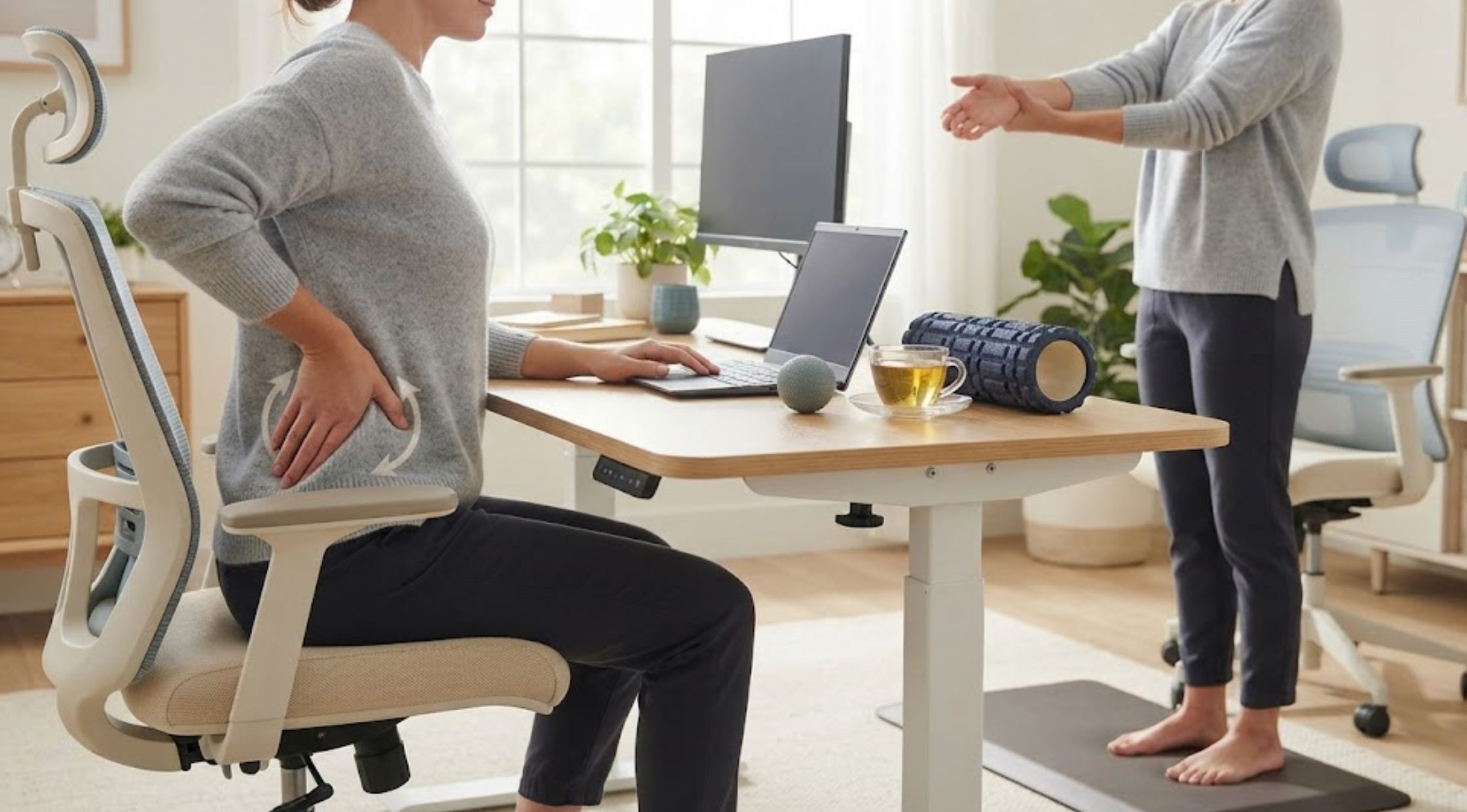
Do you finish the workday with a sore lower back, stiff wrists, or aching shoulders? If you spend hours at a desk, you're not alone. Modern lifestyles often require prolonged sitting and repetitive hand movements, leading to discomfort that can affect productivity and overall well-being.
While occasional soreness may seem normal, ignoring these warning signs can allow minor discomfort to become a long-term problem. Fortunately, a combination of waist massage, regular movement, and stretching exercises carpal tunnel sufferers often use can help reduce tension and improve daily comfort.
Why Desk Work Causes Pain
Working at a computer places continuous stress on several parts of the body. Sitting in one position for hours tightens muscles around the waist and lower back, while repetitive typing and mouse use place strain on the wrists and forearms.
Some of the most common complaints include:
- Lower back stiffness
- Tight hips and waist muscles
- Wrist discomfort
- Tingling or numbness in the fingers
- Neck and shoulder tension
- Reduced flexibility after long work sessions
Without regular movement, muscles become fatigued, circulation slows, and joints remain under constant pressure.
Understanding the Root Causes
Poor posture is often the biggest contributor to workplace discomfort. Slouching, unsupported lower backs, and improperly positioned keyboards can all increase stress on muscles and joints.
Similarly, repetitive hand movements may irritate the tissues surrounding the wrist, contributing to symptoms commonly associated with carpal tunnel syndrome. Although stretching exercises carpal tunnel routines cannot replace medical treatment when needed, gentle mobility exercises may help relieve muscle tension and improve flexibility as part of an overall wellness routine.
The good news is that small daily habits can make a noticeable difference.
Practical Ways to Reduce Everyday Discomfort
Practice Gentle Waist Massage
A simple waist massage can help relax tight muscles after hours of sitting.
Try these techniques:
- Use slow circular motions with your hands.
- Massage each side of the lower back for several minutes.
- Apply gentle pressure rather than deep force.
- Combine massage with deep breathing to encourage relaxation.
Foam rollers or massage balls can also help release muscle tension when used carefully.
Perform Stretching Exercises for Carpal Tunnel Comfort
Gentle wrist mobility exercises may reduce stiffness and improve flexibility.
Consider adding these stretches throughout your day:
- Wrist flexor stretches
- Wrist extensor stretches
- Finger extension exercises
- Gentle forearm stretches
- Hand-opening exercises
Perform each stretch slowly and stop if you experience pain. If symptoms persist or worsen, consult a healthcare professional for personalized advice.
Improve Your Workspace
Yourenvironment plays a major role in daily comfort.
Simple adjustments include:
- Keeping your monitor at eye level
- Supporting your lower back
- Positioning your keyboard comfortably
- Maintaining relaxed shoulders
- Taking short standing breaks every 30–60 minutes
These changes reduce unnecessary strain while encouraging healthier posture.
Why Ergonomic Furniture Makes a Difference
Healthy habits work best when combined with an ergonomic workspace.
Height-adjustable desks, supportive office chairs, and ergonomic accessories encourage better posture and make it easier to alternate between sitting and standing throughout the day.
Many professionals choose FlexiSpot ergonomic solutions because they are designed to support healthier working habits without disrupting productivity. By creating a workspace that encourages movement, it's easier to stay comfortable during long work sessions.
Benefits of Upgrading Your Workspace
Investing in ergonomic furniture offers advantages that go beyond comfort.
Better Posture
Proper desk height and supportive seating help maintain a healthier spinal alignment, reducing unnecessary pressure on the waist and lower back.
Reduced Muscle Fatigue
Alternating between sitting and standing encourages circulation and minimizes prolonged muscle tension.
Improved Productivity
When discomfort decreases, many people find it easier to stay focused throughout the workday.
Long-Term Comfort
Pairing regular waist massage techniques with ergonomic furniture creates a healthier daily routine that supports overall well-being.
Many users appreciate how FlexiSpot products make it easier to build movement into their workday, helping reduce the effects of prolonged sitting.
Building a Daily Wellness Routine
Small habits often produce the biggest long-term improvements.
Try incorporating the following into your schedule:
- Begin your day with light stretching.
- Perform stretching exercises carpal tunnel routines every few hours if your wrists feel tight.
- Take brief standing or walking breaks throughout the day.
- Practice a gentle waist massage after extended periods of sitting.
- Adjust your workstation to encourage proper posture.
These simple habits require only a few minutes but can make a meaningful difference over time.
For many remote workers and office professionals, combining these practices with ergonomic furniture from FlexiSpot creates a more comfortable and productive workspace.
Final Thoughts
Everyday aches don't have to become part of your routine. Consistent movement, a gentle waist massage, and stretching exercises carpal tunnel sufferers often include in their wellness routines can help reduce muscle tension and support greater comfort throughout the day.
While healthy habits are essential, your workspace also plays an important role. Ergonomic solutions from FlexiSpot can complement these routines by promoting better posture, encouraging regular movement, and helping you create a healthier work environment.
Making small improvements today can lead to greater comfort, better productivity, and improved well-being for years to come.