The Quiet Role of Boundaries in Dog Wellness

Life with a dog changes your daily rhythm in ways that feel small at first.
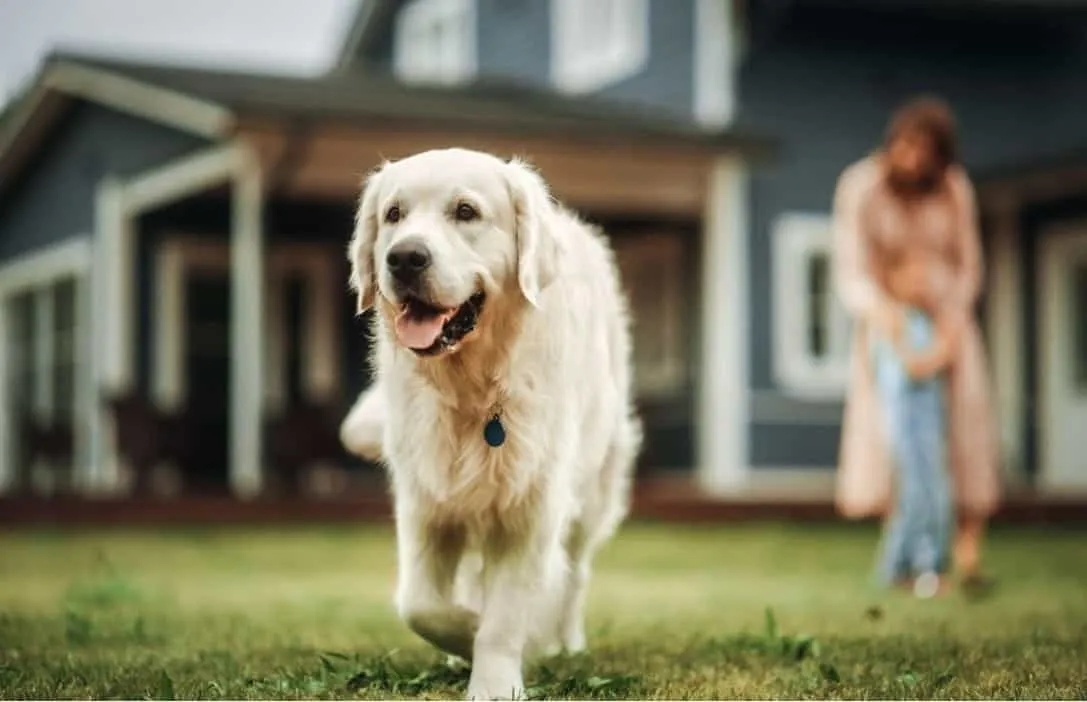
Life with a dog changes your daily rhythm in ways that feel small at first. Morning walks become routine. Outdoor time turns into a shared habit. Over time, those habits shape how relaxed or tense your days feel. When a dog wanders too far, bolts toward a road, or ignores boundaries, that tension shows up fast. You notice it in your shoulders, your voice, even how often you check the yard.
A sense of freedom matters to dogs, yet safety matters to you. Balancing both often feels like choosing one over the other. Traditional fences can interrupt outdoor aesthetics. Leashes limit movement. Constant supervision drains energy. What you really want is space that feels open, safe, and predictable for both of you.
This is where modern boundary thinking enters everyday life. Solutions like Spot On Fence reflect a shift toward flexibility and calm rather than control. Instead of forcing your dog to adapt to rigid structures, boundaries adapt to real routines. When outdoor rules stay consistent without visible barriers, behavior improves. Stress fades. Daily life feels lighter.
Why Dogs Need Clear Outdoor Structure
Your dog experiences the world through patterns. Paths repeated daily. Sounds that signal safety. Areas that feel familiar. When those patterns stay clear, behavior stays steady. Problems often start when boundaries change or disappear. A yard without limits becomes an open invitation. A walk without structure turns into pulling, darting, or sudden fear responses.
Outdoor freedom works best when it comes with invisible rules. Dogs respond well when those rules stay consistent regardless of location. That consistency builds confidence rather than obedience through pressure. You notice it when your dog pauses instead of running or chooses to stay close instead of testing distance. Those moments reflect understanding, not restraint.
The Problem With Traditional Fencing
Physical fences solve part of the issue, yet they bring their own tradeoffs. Installation costs, maintenance, visual clutter, and zoning limits often interfere with daily living. Renters face additional challenges. Travel adds another layer. A boundary that stays behind when you leave home loses its value fast.
That gap between freedom and safety is where modern boundary tools quietly change daily life. A wireless dog fence allows space without construction and structure without permanent barriers. Instead of teaching a dog where they cannot go through physical blocks, it teaches awareness of space itself. That awareness stays with the dog, not the property.
Why Consistency Matters More Than Correction
Consistency matters more than correction. When a boundary system uses location data rather than wires, you gain flexibility. Boundaries adjust to different environments without retraining from scratch. A park visit, a weekend trip, or a temporary yard no longer breaks routine. Dogs adapt faster when rules travel with them.
The idea behind a gps dog fence focuses on clarity. The boundary exists because the system knows where your dog stands in relation to space, not because a wire sits underground. That difference matters in real life. Underground systems fail with soil shifts, landscaping, or weather damage. Wireless systems rely on data, not physical placement.
How Predictable Signals Shape Better Behavior
For dogs, learning stays smoother when cues stay predictable. Gentle signals at boundary edges help them make decisions before mistakes happen. Over time, hesitation replaces impulse. That shift supports calmer behavior inside the home as well. Dogs who feel secure outside often settle faster indoors.
Lifestyle plays a role here. A clean yard without visible fencing keeps outdoor spaces open and welcoming. Guests feel relaxed. Landscaping stays intact. That matters if outdoor space doubles as a place to unwind, entertain, or recharge after long days. You enjoy the yard without constant monitoring.
Invisible Boundaries and Modern Living
The concept of an invisible fence for dogs fits modern living because it respects both function and appearance. It works quietly in the background. No gates to forget. No panels to repair. No visual reminder that safety requires sacrifice. The boundary exists because your dog understands it.
Training support also changes outcomes. Systems that guide behavior rather than punish it build trust faster. When dogs receive early warnings instead of sudden corrections, learning feels fair. Fair learning lasts. Dogs remember what feels predictable.
Freedom Feels Better When Dogs Understand Limits
Some people still associate boundaries with restriction. In practice, clear limits give dogs more freedom. They move confidently within safe zones instead of hovering near doors or testing edges. You notice fewer escape attempts and more relaxed play. That shift reflects mental comfort, not control.
Technology supports this shift when used thoughtfully. A gps dog collar fence tracks position continuously, adjusting boundaries without relying on fixed points. That flexibility supports changing routines and locations. Travel no longer disrupts training. Temporary spaces still feel familiar to your dog.
How Spot On Fence Fits Into Daily Life
Spot On Fence approaches this idea by focusing on adaptability rather than permanence. Their system explains how GPS-based boundaries replace wires entirely, using satellite positioning to define safe zones. According to their how-it-works breakdown, boundaries can move with your lifestyle instead of anchoring you to one location. That matters if life includes travel, seasonal homes, or evolving spaces.
Comfort also plays a role. Collars designed with fit and durability in mind support long wear without irritation. When a dog forgets they are wearing a boundary tool, learning improves. They focus on cues rather than discomfort.
What Quality Really Looks Like in Boundary Systems
The term best wireless dog fence often gets overused, yet quality shows through daily experience rather than claims. Reliability shows when boundaries stay stable. Clarity shows when dogs learn quickly. Peace of mind shows when you stop checking the gate or scanning the road.
Some owners compare newer GPS systems with older brands like halo dog fence, noticing differences in setup style, boundary flexibility, and training approach. Those comparisons often highlight how far boundary technology has shifted toward portability and ease of use rather than permanent installation.
Wellness Benefits That Extend Beyond the Yard
Spot On Fence fits into that evolution by focusing on GPS accuracy and owner-controlled boundaries. Their approach avoids underground wires entirely and supports custom shapes rather than fixed circles. That detail matters in real yards with trees, gardens, and uneven layouts.
Boundary systems also influence wellness. Dogs with predictable outdoor freedom show fewer anxiety behaviors. Reduced stress leads to better sleep, improved digestion, and calmer social interactions. Those benefits ripple into your daily routine. Less barking. Fewer escape scares. More time spent enjoying companionship rather than correcting behavior.
A Shift From Monitoring to Trust
The right system does not replace training. It supports it. Dogs still learn through repetition, reinforcement, and trust. Technology simply provides consistency when human attention shifts. That support helps during busy days, distractions, or transitions.
When boundaries stay clear, your role changes. Instead of constant monitoring, you become a guide. That change improves your relationship with your dog. Interactions feel cooperative rather than corrective.
Why Modern Boundaries Reflect Real Life
A well-designed dog fence today reflects how people live now. Flexible schedules. Mobile lifestyles. Outdoor spaces that serve many purposes. Safety solutions must adapt without demanding constant adjustment.
Spot On Fence appears again here because their explanation emphasizes that adaptability. GPS-defined boundaries adjust through software rather than physical labor. That saves time, effort, and frustration over the long term.
Choosing a boundary approach becomes less about control and more about shared comfort. Your dog gains freedom with understanding. You gain peace without compromise.
When Boundaries Create Calm
Boundaries shape behavior quietly. When they stay consistent, life feels easier for both of you. Your dog relaxes because expectations stay clear. You relax because safety no longer demands constant attention.
Modern boundary systems reflect how people actually live. Spaces change. Routines shift. Travel happens. A system that moves with you supports stability rather than disrupting it. GPS-based approaches remove visual clutter while keeping outdoor time safe and predictable.
Spot On Fence represents this shift by focusing on portability, accuracy, and ease rather than permanent installation. Their approach shows how technology can support daily wellness without dominating it.
When outdoor freedom stops feeling risky, time with your dog becomes more enjoyable. Play lasts longer. Worry fades faster. Trust grows naturally. That balance does not come from restriction. It comes from understanding, consistency, and tools designed to fit real life.
Learn how modern dog boundaries support calmer routines and outdoor freedom with guidance inspired by Spot On Fence.