How to Choose the Right Trail Camera for Hunting and Wildlife Monitoring

Choosing a Trail Camera is more complicated than simply looking for the highest megapixel count or the lowest price.
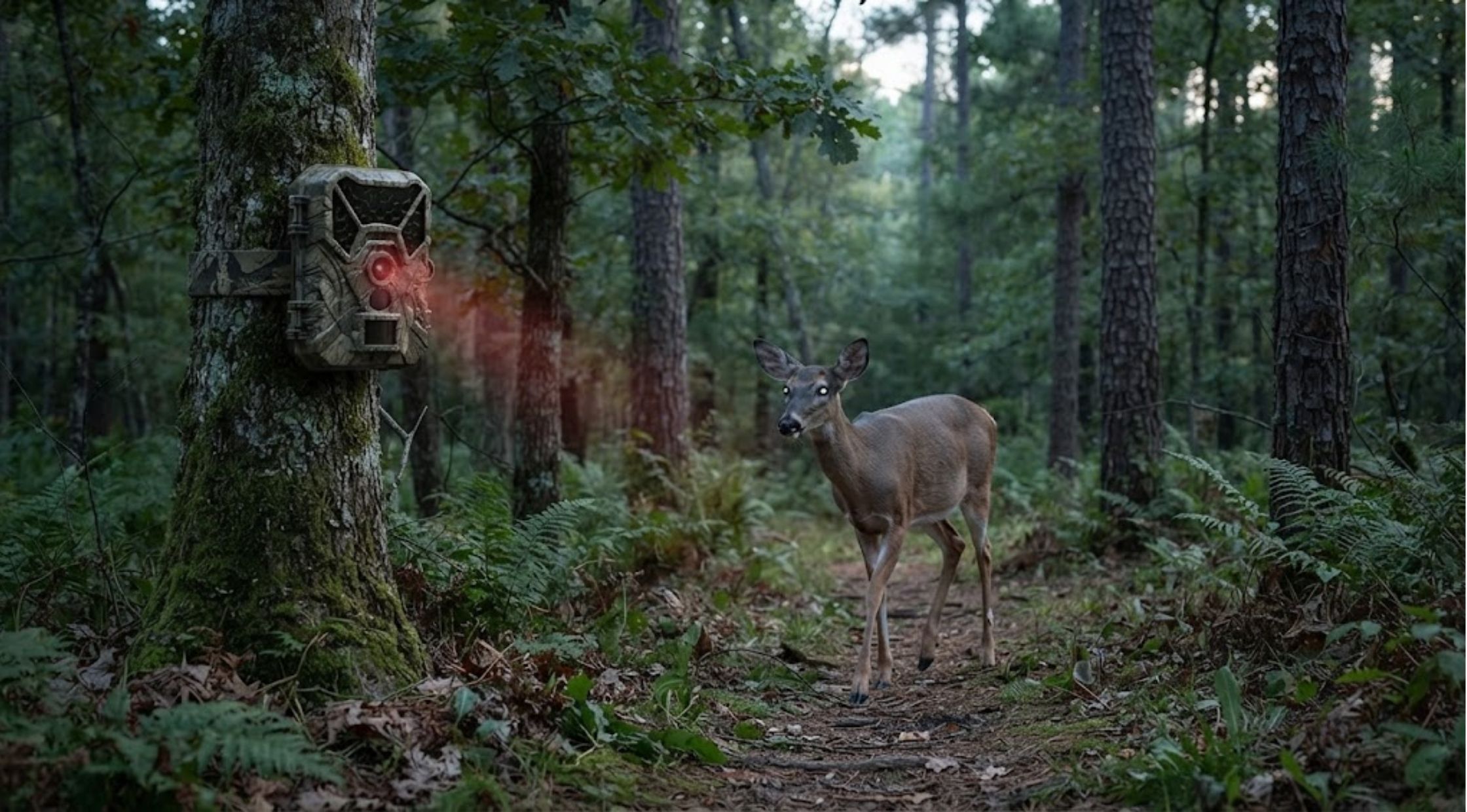
Have you ever placed a camera in the woods, waited days for results, and then discovered that the battery died, the images were unclear, or the camera missed the activity you were hoping to capture?
Choosing a Trail Camera is more complicated than simply looking for the highest megapixel count or the lowest price. Your location, intended use, connectivity, battery requirements, night performance, and detection range can all affect whether a camera actually works for you.
Whether you're monitoring wildlife, scouting hunting areas, checking a remote property, or simply observing animals in your backyard, choosing the right Hunting Camera starts with understanding what you need from it.
Common Problems With Trail Cameras
A camera can look impressive on a product page and still disappoint once it is installed outdoors.
Poor Images at Night
Wildlife doesn't follow a convenient daytime schedule. Many animals are most active around dawn, dusk, or during the night.
If your camera produces blurry or poorly exposed night footage, you may miss useful details. Infrared performance, flash type, sensor quality, and camera placement can all affect nighttime results.
Too Many False Triggers
Wind-blown branches, moving grass, changing shadows, and other environmental activity can trigger a camera unnecessarily.
This can fill your memory card quickly and make it harder to find the photos that actually matter.
Constantly Checking the Camera
Traditional cameras may require you to physically visit the location to retrieve images. That can be inconvenient when the camera is positioned deep in a hunting area or on remote property.
A connected Trail Camera can reduce this problem by allowing compatible models to send images or notifications remotely.
What Causes These Problems?
Understanding the cause makes it easier to choose a better camera.
The Camera Doesn't Match the Environment
A camera designed for a backyard may not be the best choice for a remote hunting location. Similarly, a basic camera may be perfectly adequate for occasional wildlife observation but unnecessary for someone who needs remote monitoring.
Consider where the camera will be placed before comparing specifications.
Connectivity Is Limited
Wi-Fi, cellular, and non-connected cameras serve different purposes.
Wi-Fi models can be useful when the camera is within an appropriate wireless range. Cellular models can provide remote connectivity in locations with compatible cellular coverage. A non-cellular camera may be preferable when you simply want local storage and don't need remote access.
GardePro currently offers cellular, Wi-Fi, long-range Wi-Fi, and non-cellular camera options, allowing buyers to select connectivity based on their setup.
Battery Life Is Often Overlooked
A camera may have excellent image quality but become frustrating if its batteries require frequent replacement.
Think about how often you can realistically access the camera. A location that is easy to reach may tolerate standard batteries, while a remote setup may benefit from a rechargeable battery or solar-power accessory.
How to Choose the Right Hunting Camera
Once you understand the common problems, you can compare cameras based on the features that actually matter.
1. Decide What You Want to Monitor
Start with your purpose.
If you're scouting game, detection speed, trigger reliability, night performance, and discreet operation may be important. If you're watching birds or backyard wildlife, image quality and ease of setup may matter more.
For property monitoring, connectivity and remote notifications could become higher priorities.
The best Hunting Camera is therefore not necessarily the camera with the most features. It is the one that matches the job.
2. Consider Image and Video Quality
Higher-resolution cameras can provide more detail, but resolution isn't the only factor.
Look at sensor performance, lens quality, nighttime capability, video options, and how well the camera handles movement.
GardePro's current lineup includes models with 4K capability, as well as cameras featuring no-glow operation and different connectivity options.
3. Think About Detection and Trigger Performance
A fast camera can capture an animal moving through the detection zone before it disappears.
However, sensitivity matters too. If the camera is constantly triggered by irrelevant movement, you'll spend more time sorting through unnecessary images.
Positioning the camera across a trail rather than directly along it can also help increase the likelihood of capturing animals as they pass through the detection area.
4. Choose the Right Connectivity
This is one of the biggest decisions you'll make.
A standard camera stores images locally, which can keep things simple. Wi-Fi models can offer wireless access within their supported range, while cellular cameras can provide remote access where compatible cellular service is available.
GardePro's current collection includes cellular models with app notifications and live-streaming options, alongside Wi-Fi and non-networked cameras.
5. Don't Forget Nighttime Visibility
For hunting and wildlife observation, discreet nighttime operation can be particularly useful.
No-glow infrared cameras are designed to minimize visible illumination when capturing nighttime images. GardePro currently lists no-glow options across much of its camera collection.
When a Premium Trail Camera Makes Sense
You don't necessarily need the most expensive camera available. Instead, look for features that solve the problems you actually encounter.
A premium Trail Camera can make sense when you need better image quality, more reliable connectivity, longer operating time, remote access, or additional monitoring capabilities.
GardePro is one example of a brand offering different configurations rather than relying on a single type of camera. Its current range includes cellular, Wi-Fi, long-range Wi-Fi, and non-cellular models, along with accessories such as solar panels, security boxes, mounts, and power adapters.
That range can be useful if your requirements change between locations or applications.
Benefits of Upgrading Your Camera
The right upgrade can make outdoor monitoring much easier.
More Useful Images
Better sensors and nighttime capabilities can help you capture clearer information when animals are active.
Less Unnecessary Checking
Remote connectivity can reduce the need to physically visit certain camera locations.
Easier Wildlife Monitoring
A dependable setup lets you observe patterns over time instead of relying on occasional visits.
Better Hunting Preparation
A well-positioned Hunting Camera can provide information about animal activity and movement in a particular area, helping you understand the environment before making decisions about where and when to hunt.
Greater Flexibility
Choosing between cellular, Wi-Fi, and non-connected options allows you to build a setup around the location rather than forcing every situation into the same configuration.
Make Your Choice Based on Your Real Needs
The right Trail Camera isn't necessarily the one with the longest feature list. Start by asking a few simple questions: Where will it be installed? How often can you access it? Do you need remote notifications? Will it operate mostly during the night? How important are video and image quality? What power source makes sense?
Once you've answered those questions, comparing cameras becomes much easier.
For shoppers exploring different configurations, GardePro provides options across hunting, wildlife observation, security, backyard monitoring, and other outdoor applications.
A thoughtful setup can save you from common frustrations such as missed activity, dead batteries, unnecessary trips, and poor-quality images. Instead of buying based solely on price or specifications, choose a Hunting Camera that fits the environment and the way you actually plan to use it.
The result is a monitoring system that works for you not one that creates another job to manage.
Recent Blogs
-
How to Choose the Right Outdoor Pizza Oven for Better Homemade Pizza
-

How to Choose Luxury Lighting and Chandeliers That Transform Your Home
-

How to Choose Luxury Home Decor and Fine Dinnerware That Elevates Your Home
-

How to Choose Desk Accessories and Everyday Carry Items That Actually Improve Your Day
-

How to Choose Coding Robots and Educational Robots That Make STEM Learning Easier