How Wearable Wellness Technology Is Changing Mental Health Support

Mental health support is undergoing a quiet but powerful transformation.
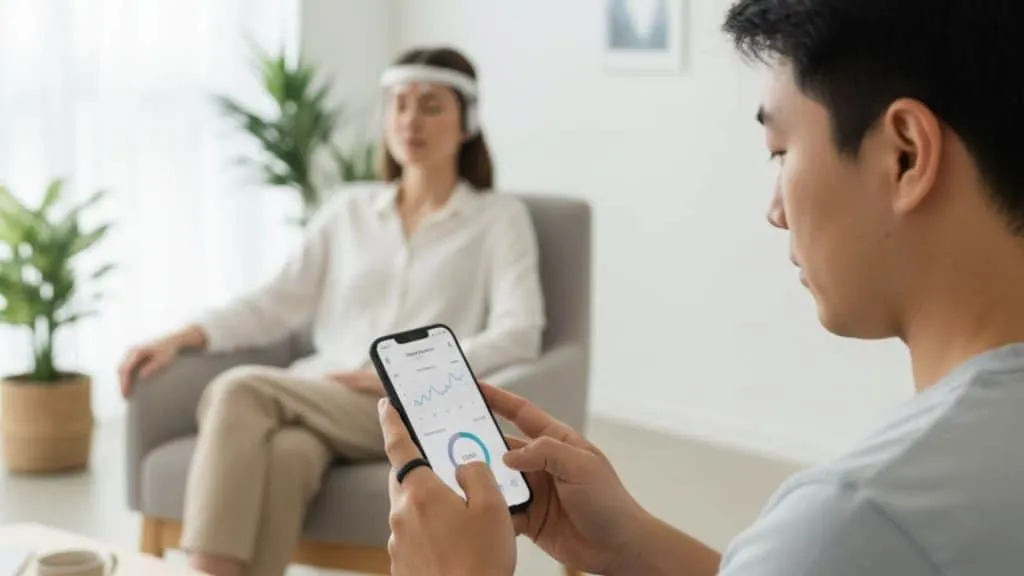
Mental health support is undergoing a quiet but powerful transformation. As conversations around stress, anxiety, focus, and sleep become more open, people are increasingly seeking tools that fit naturally into their daily lives. Traditional mental health support,while essential,often involves scheduled appointments, medications, or structured practices that may not always feel accessible or immediate. This Hapbee wearable wellness technology is making a meaningful difference.
From smart devices that track sleep and stress to innovative wearables designed to support emotional balance and mental states, technology is reshaping how individuals approach mental well-being. Rather than replacing professional care, wearable wellness tools are complementing it,offering real-time support, awareness, and empowerment.
The Growing Need for Accessible Mental Health Support
Modern lifestyles are fast-paced, screen-heavy, and often overwhelming. Long work hours, constant notifications, financial pressure, and social expectations have made stress and anxiety common experiences rather than occasional challenges. While therapy and medication remain vital for many, not everyone has immediate access to these options,or feels comfortable starting there.
This gap has created demand for non-invasive, everyday mental wellness solutions. Wearable technology meets this need by offering discreet, on-demand support that fits seamlessly into daily routines. Instead of waiting for stress to escalate, users can proactively manage their mental state throughout the day.
What Is Wearable Wellness Technology?
Wearable wellness technology refers to devices worn on the body—such as wristbands, patches, or necklaces,that support physical and mental well-being. While early wearables focused primarily on fitness tracking (steps, heart rate, calories), today’s devices go much further.
Modern wellness wearables may help users:
- Track sleep patterns and recovery
- Monitor stress indicators
- Support focus and calm states
- Encourage relaxation and emotional regulation
- Improve overall mind-body awareness
Unlike traditional medical devices, these tools are designed for everyday wellness, not diagnosis or treatment. Their goal is to help users understand and influence how they feel in real time.
Moving Beyond Tracking to Active Support
One of the biggest shifts in wearable wellness technology is the move from passive tracking to active mental state support. Early devices simply reported data,how much you slept, how high your heart rate went, or how stressed you might be. While useful, this information alone doesn’t always help at the moment.
Newer wellness wearables aim to do more than observe. They are designed to:
- Help the body shift into calmer or more focused states
- Support relaxation during high-stress moments
- Assist with winding down before sleep
- Promote balance without chemicals or stimulants
This evolution reflects a growing understanding that mental health isn’t just about awareness,it’s also about timely support.
A Non-Chemical Approach to Mental Wellness
One reason wearable wellness technology is gaining traction is its non-chemical nature. Many people are cautious about relying on medication or stimulants for stress, focus, or sleep,especially for daily use.
Wearable wellness tools offer an alternative approach that doesn’t involve ingesting anything. Instead, they work with the body’s natural systems to encourage specific mental states. This makes them appealing to individuals who want:
- Gentle, drug-free support
- Fewer side effects
- Tools they can use repeatedly throughout the day
- Greater control over their mental well-being
For many users, wearables serve as a first step into mental wellness,or a complementary layer alongside therapy, mindfulness practices, or lifestyle changes.
Supporting Mental Health in Real Time
One of the most powerful advantages of wearable wellness technology is immediacy. Mental health challenges don’t operate on schedules. Stress can spike during a meeting, anxiety can appear before a presentation, and restlessness can disrupt sleep unexpectedly.
Wearable devices allow users to respond in real time. Instead of waiting until the end of the day to decompress, individuals can use their wearable as soon as they feel overwhelmed. This proactive approach helps prevent small stressors from snowballing into burnout or chronic anxiety.
Reducing Stigma Through Discreet Design
Despite growing awareness, mental health stigma still exists,especially in professional or social settings. Wearable wellness technology helps reduce this barrier by offering discreet support.
Many devices look like minimal accessories and don’t draw attention. This allows users to support their mental state privately, without explaining or justifying their needs. Over time, this normalization of mental wellness tools can help shift societal attitudes toward mental health as a daily priority rather than a crisis response.
Empowering Users Through Self-Awareness
Another important benefit of wearable wellness technology is empowerment. Mental health often feels unpredictable, which can lead to frustration or helplessness. Wearables give users insight into patterns,how sleep affects mood, how stress impacts focus, or how daily habits influence mental clarity.
With consistent use, people begin to recognize triggers and trends. This self-awareness encourages healthier choices, such as:
- Adjusting routines for better sleep
- Taking breaks before stress escalates
- Creating boundaries around work and screen time
When individuals feel more in control of their mental state, confidence and resilience naturally increase.
Complementing Professional Mental Health Care
It’s important to note that wearable wellness technology is not a replacement for therapy, counseling, or medical treatment. Instead, it acts as a supportive companion. Many mental health professionals encourage tools that help patients stay engaged with their well-being between sessions.
Wearables can reinforce therapeutic practices by:
- Encouraging consistency
- Supporting emotional regulation
- Helping users apply coping strategies in real-life situations
For people already receiving professional care, wearable wellness tools can enhance progress by bridging the gap between appointments.
The Future of Mental Health Support
As technology continues to advance, wearable wellness devices are likely to become even more personalized and intuitive. Future developments may focus on:
- Greater customization of mental state support
- Improved integration with lifestyle data
- Enhanced comfort and wearability
- Broader acceptance in healthcare and workplace wellness programs
What’s clear is that mental health support is no longer confined to clinics or apps alone. It’s becoming something people can carry with them—subtle, accessible, and responsive to their needs.
A New Era of Everyday Mental Wellness
Hapbee wearable wellness technology is reshaping how people approach mental health by making support more accessible, proactive, and personalized. By offering real-time assistance, non-chemical solutions, and discreet design, these devices empower individuals to care for their mental well-being throughout the day.
In a world where stress and overstimulation are common, wearable wellness tools provide a practical way to pause, reset, and regain balance. As awareness grows and innovation continues, wearable technology is poised to play an increasingly important role in how we support mental health,not just during difficult moments, but as part of everyday life.
Recent Blogs
-

How to Make Your LEGO Builds Stand Out with Better Lighting
-
How to Choose Reliable Electronics and Computer Accessories for Everyday Use
-

How to Choose Quality Kumadoll Products for a Better Shopping Experience
-
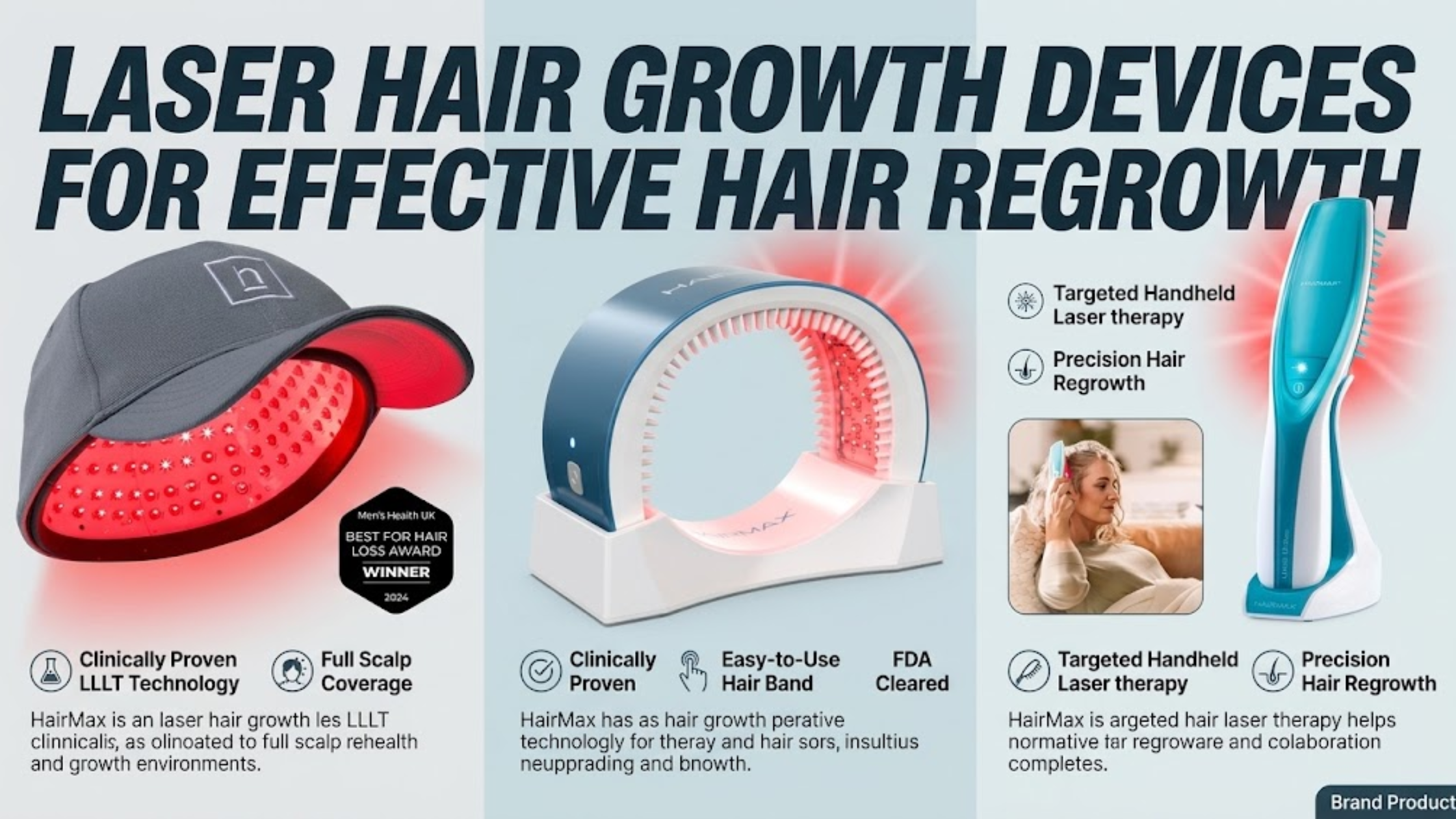
How to Choose Laser Hair Growth Devices for Effective Hair Regrowth
-

How to Stay Powered Anywhere: Choosing Reliable Portable Energy and Rugged Devices