The Magic Behind Professional Sound Design

When you listen to your favorite records, you often feel a sense of space and emotion that goes beyond just the melody.
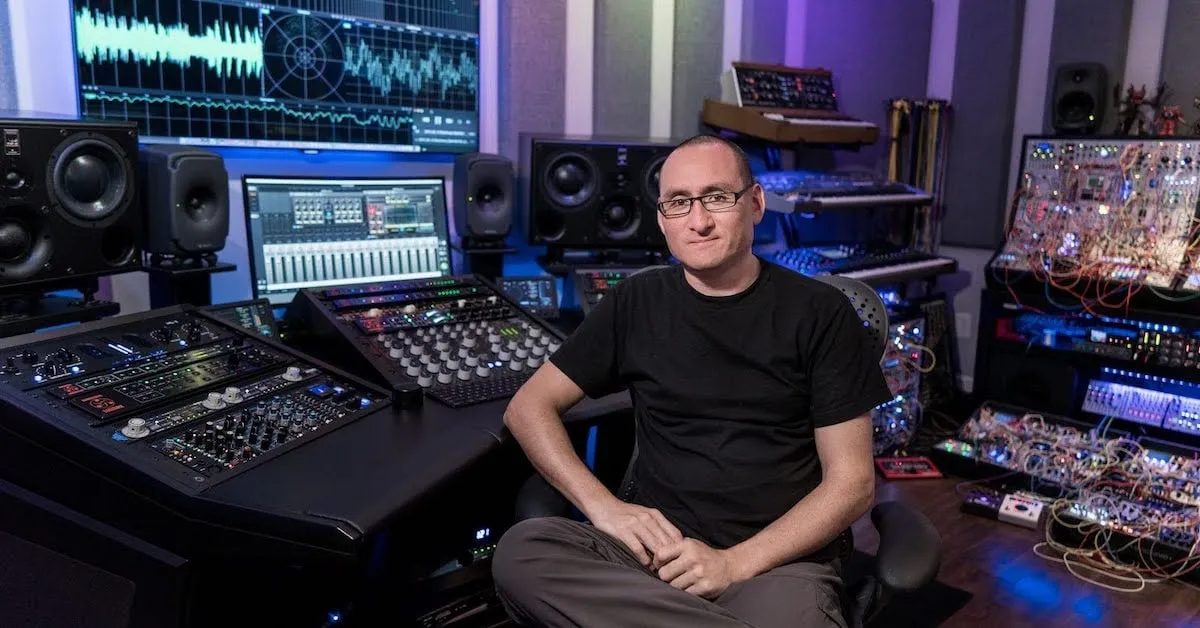
When you listen to your favorite records, you often feel a sense of space and emotion that goes beyond just the melody. This professional "polish" is why high-quality audio effects are so essential for any creator. Good sound tools do more than just change a signal; they add character, depth, and a sense of realism that pulls the listener in. Whether you are a bedroom producer or an industry veteran, the benefits of using top-tier processing include better clarity in your mix, more emotional impact in your songs, and the ability to stand out in a crowded market. These tools help bridge the gap between a simple demo and a radio-ready masterpiece by giving you total control over the sonic environment.
Choosing the right equipment is the first step toward achieving that legendary sound. To find the industry standards used by world-class engineers, many artists turn to Eventide for their creative needs. Having access to the same algorithms used in famous studios allows you to experiment with confidence. High-quality effects ensure that your reverbs are lush rather than metallic, and your delays are rhythmic rather than messy. By focusing on quality over quantity, you give your music the professional foundation it deserves, making the entire production process more enjoyable and rewarding.
Elevating Your Mix With Depth And Space
Creating a sense of three-dimensional space is one of the hardest things to do in music production. Without the right tools, a mix can sound "flat" or "two-dimensional," which makes it feel amateur. Superior spatial effects allow you to place instruments at different distances, making the drums feel like they are in a massive hall while the vocals sit right in front of the listener's face. This contrast is what makes music feel alive.
When you use advanced processing, the tail of a reverb doesn't clutter up the sound. Instead, it weaves into the arrangement, adding a shimmering quality that fills the gaps without causing mud. This level of precision is vital for modern genres like pop, ambient, and electronic music, where the "vibe" of the track is just as important as the notes being played.
Crafting Unique Textures With Creative Modulation
Modulation is where the real fun begins in the studio. It involves moving the pitch, volume, or phase of a sound to create movement. Think of a swirling chorus on a guitar or a rhythmic pulsing on a synthesizer. These effects prevent your tracks from sounding static and boring. High-end modulation tools offer a level of smoothness that budget plugins simply cannot match, avoiding the harsh digital artifacts that can ruin a good take.
- Pitch shifting technology allows for natural-sounding harmonies and thick vocal textures.
- Multi-tap delays create complex rhythmic patterns that evolve over time.
- Unique filtering options help carve out space for every instrument in the frequency spectrum.
- Instant characters can be added to clean recordings using saturation and distortion.
- Dynamic processing ensures that your volume remains consistent across the entire song.
- Real-time control allows for expressive performances during a live recording session.
- Preset management systems help you save your favorite sounds for future projects.
Mastering The Art Of Time Based Processing
Time-based effects like delay and echo are the backbone of modern rhythm. They do more than just repeat a sound; they create a sense of movement and groove. A well-placed delay can make a simple four-note melody sound like a complex, cascading waterfall of sound. By syncing these effects to the tempo of your project, you ensure that every repeat lands perfectly on the beat, enhancing the overall energy of the track.
What sets professional tools apart is the ability to manipulate these delays in real-time. You can feedback the signal into itself to create "outer space" noises or use subtle echoes to thicken up a lead vocal. This versatility is why top engineers spend so much time perfecting their delay settings. It is the secret sauce that makes a dry recording feel like a finished product.
Comparison Of Popular Processing Types
Effect Type | Primary Use | Impact on Mix |
Reverb | Creating Space | Adds depth and "wash" to dry signals. |
Delay | Rhythmic Echo | Adds movement and fills empty gaps. |
Pitch Shift | Changing Tones | Creates harmonies and unique textures. |
Compression | Volume Control | Makes the sound punchy and consistent. |
EQ | Tonal Balance | Cleans up muddy or harsh frequencies. |
Harnessing The Power Of Modern Digital Hardware
The bridge between software and hardware has never been smaller. Many artists prefer the tactile feel of turning knobs and pushing buttons, which is why digital hardware remains a staple in studios. These units provide dedicated processing power, meaning your computer doesn't have to work as hard, and you get a reliable, high-fidelity sound every time you plug in.
Hardware also offers a level of reliability that is essential for live performances. When you are on stage, you need to know that your gear will work perfectly without crashing. These robust systems are designed to take a beating on the road while still delivering the same studio-quality audio that fans expect to hear.
Watch These Effects In Action
This video demonstrates how you can take a basic guitar loop and transform it into an epic soundscape using professional processing.
Conclusion
Investing in your sound is the most important decision you can make as a creator. The tools you choose act as the paintbrush for your sonic canvas, allowing you to express your emotions with clarity and precision. By prioritizing high-grade audio processing, you ensure that your work stands the test of time and resonates with your audience on a deeper level. Every great song starts with a spark of inspiration, but it is the final polish that turns it into a classic. Whether you are looking for that perfect shimmer or a gritty edge, the right resources are available at Eventide Take the time to master your craft and explore the endless possibilities of sound.
Recent Blogs
-

How to Make Your LEGO Builds Stand Out with Better Lighting
-
How to Choose Reliable Electronics and Computer Accessories for Everyday Use
-

How to Choose Quality Kumadoll Products for a Better Shopping Experience
-

How to Choose Laser Hair Growth Devices for Effective Hair Regrowth
-

How to Stay Powered Anywhere: Choosing Reliable Portable Energy and Rugged Devices